

BOOK

CHECK RATES AND AVAILABILITY
Your island escape, just a few clicks away.
Check in | Check out
Your island escape, just a few clicks away.

When the monsoon shifts, so does Sri Lanka’s diving and the east coast, particularly around Trincomalee, comes into its own. Here, the conditions are often exceptional. Visibility regularly stretches beyond 30 metres, and the reefs, protected in part by years of relative isolation, are among the healthiest in the country.
Just offshore lies Pigeon Island National Park, a marine sanctuary where diving feels effortless. Coral gardens slope gently into deeper waters, giving way to more complex formations, caverns and reef edges. Blacktip reef sharks are a common sight, seen cruising in small groups, while blue-spotted stingrays rest on sandy patches below. Schools of fusiliers, snappers and sweetlips move in synchrony, and the occasional giant grouper adds a sense of scale to the reef.
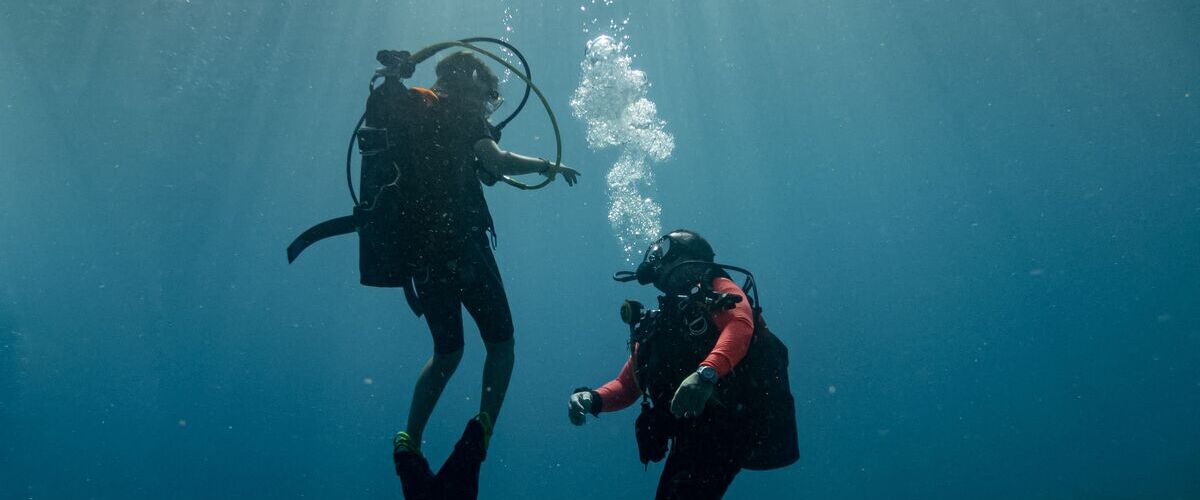
For those seeking something more dramatic, the Swami Rock drop-off offers a vertical world of walls, overhangs and open water, where pelagic encounters become more likely.
On land, Trincomalee carries a different kind of depth. The ancient Koneswaram Temple sits high above the ocean, while nearby waters are known for sightings of the Blue Whale. Long, quiet beaches like Nilaveli and Uppuveli complete the picture, offering a sense of calm that matches the clarity of the sea.
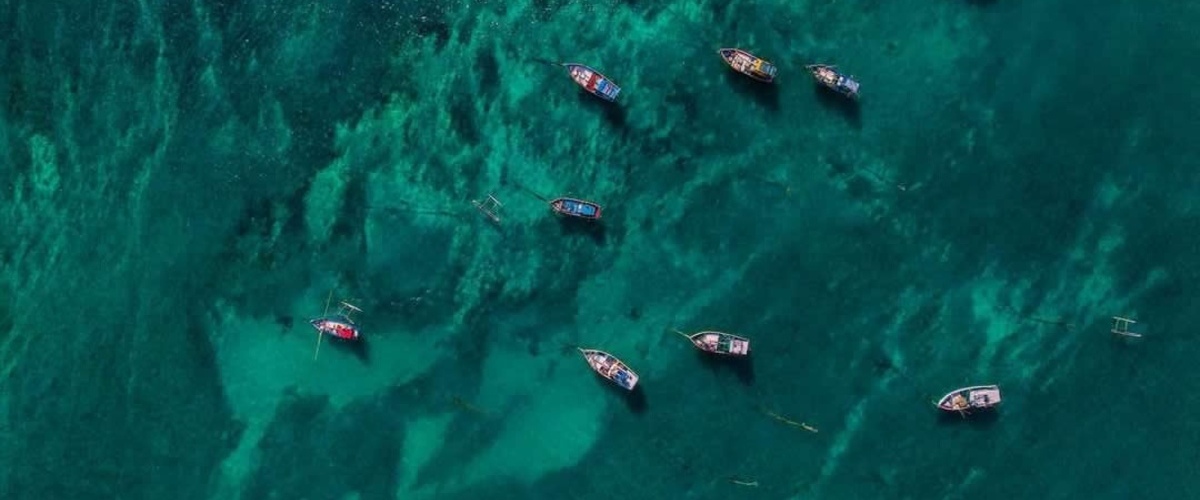
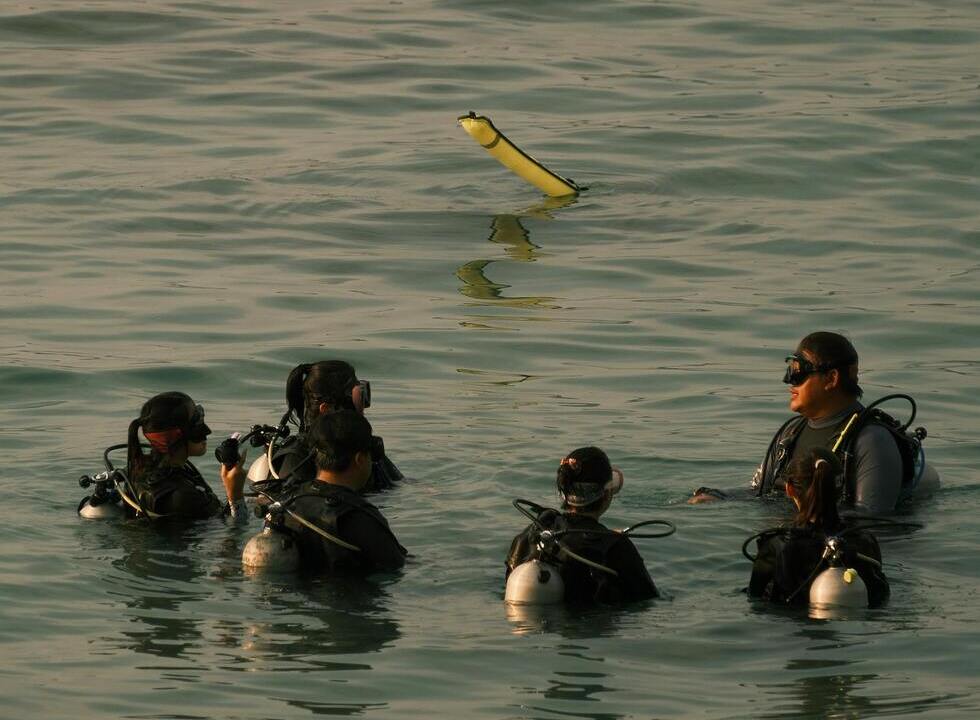
Sri Lanka’s southern coastline is home to some of the country’s most rewarding and varied diving, stretching from the historic waters off Hikkaduwa, Galle, Unawatuna and Weligama to the remote reefs and offshore pinnacles that lie beyond Yala. Shallow sites like Coral Gardens in Hikkaduwa offer an easy introduction to diving, with calm conditions and an abundance of marine life that feels immediate and immersive. As you progress, the landscape begins to shift, protected reef systems give way to deeper sites like Black Coral Point, where stronger currents attract larger species and the underwater terrain becomes more dramatic.
Just outside Galle Fort, a series of reefs and wrecks provide excellent diving conditions, while Weligama’s waters conceal a fascinating chapter of Sri Lankan history. Beneath the surface lie the remains of ships linked to the naval battles fought between the Sinhalese kingdoms and Portuguese forces in the 16th and 17th centuries, adding a layer of historical intrigue to every dive. What defines this stretch of coast, however, is its consistency.
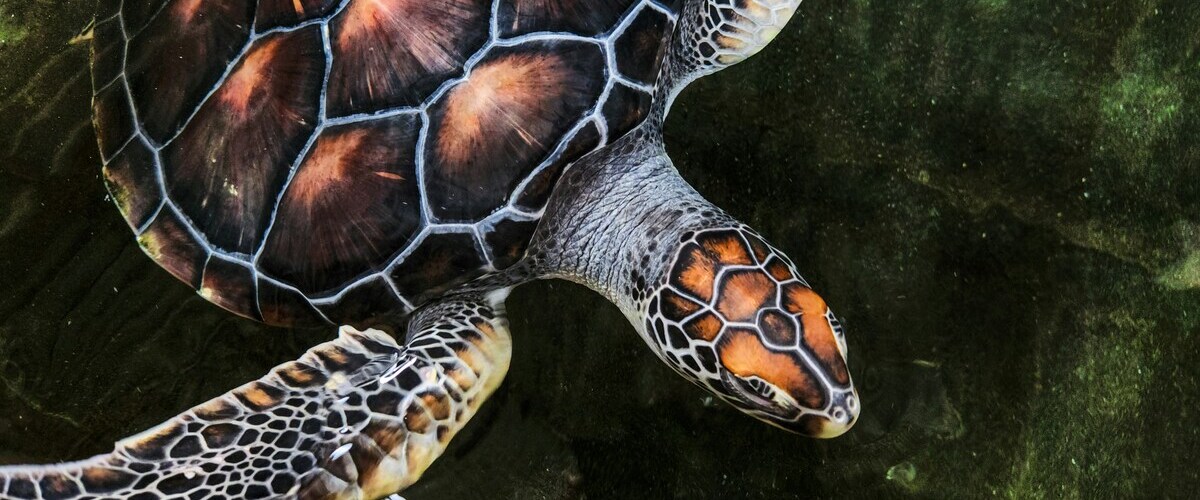
Further south, the coastline becomes increasingly wild and remote. Offshore from Yala National Park lie the Great Basses and Little Basses reefs, widely regarded as two of the finest dive sites in Sri Lanka and among the most spectacular in the Indian Ocean. Nutrient-rich waters attract an abundance of pelagic life, from large schools of trevally and barracuda to reef sharks and rays. Across the region, turtle encounters are common, particularly with green and hawksbill turtles, while colourful reef fish, moray eels and thriving coral formations bring life to the shallower sites. Conditions vary from gentle reef dives suitable for beginners to challenging offshore adventures that appeal to experienced divers seeking more dramatic encounters.
Above the water, the character of the south is equally compelling. The old world streets of Galle, surf culture in Weligama, and the untamed wilderness of Yala create a diverse coastal journey where world-class diving can be seamlessly combined with history, wildlife, and some of Sri Lanka’s most iconic landscapes.

Off the coast of Negombo and Colombo lies what feels like an underwater museum, scattered historic shipwrecks that have, over time, transformed into thriving artificial reefs. Descending into these deeper waters, you’re met not with silence, but with movement: massive schools of batfish drifting like shadows, giant trevally cutting through the current, and spirals of barracuda glinting in the filtered light. Moray eels peer from crevices, lionfish hover, and the occasional reef shark passes through, drawn by the density of life that now calls these wrecks home.
Among the most iconic sites is the SS Conch, a British oil tanker sunk during World War I. Resting at around 33 metres, it offers dramatic swim-throughs and coral-encrusted structures that reward experienced divers with both scale and atmosphere. The MV Cordiality, slightly shallower at 28 metres, is often used for wreck penetration training, its intact structure offering both safe entry points and gentler external routes for those building confidence. Scattered across the seabed between Dehiwela and Mount Lavinia (in the outskirts of Colombo) are smaller wrecks between 20 and 40 metres including the MV Thermopylae Sierra and Lotus Barge, blending reef and wreck diving into a layered, dynamic experience.
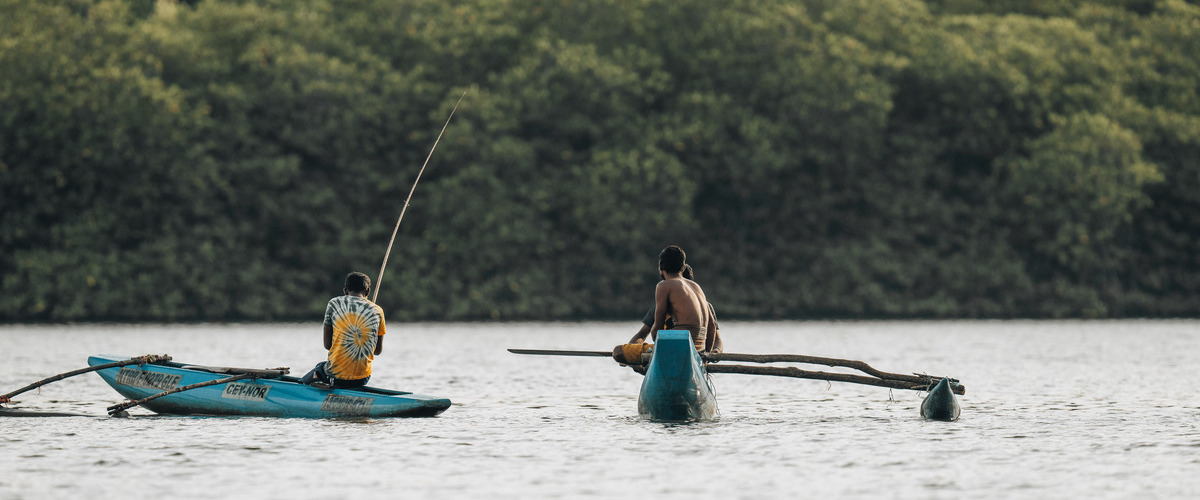
Back on land, Negombo provides a lively contrast to the stillness below. Early mornings at the fish market reveal the rhythm of the coast, while Dutch canal tours and lagoon safaris offer a slower, more atmospheric way to spend surface intervals.
FAQs
Q: Can beginners learn to dive in Sri Lanka?
Absolutely! Sri Lanka offers excellent conditions for learning, with warm water, good visibility, and numerous dive centres offering certification courses. Hikkaduwa and Unawatuna are particularly beginner-friendly locations.
Q: What are the average depths and visibility in Sri Lanka?
In simple terms: 5 to 18 meters for beginners, 15 to 30 meters for intermediate and 25 to 35 meters for advanced, wreck diving.
Q: How much does diving cost in Sri Lanka?
To learn more about costs and recommended dive operators, visit www.padi.com or get in touch with Teardrop Journeys on travel@teardrop-journeys.com to customise your own diving itinerary.
Q: What’s the best time of year to visit Sri Lanka for diving?
Sri Lanka offers year-round diving due to its dual monsoon system. December-April is optimal for west and south coasts; May-September is best for east coast diving.
Q: Are there dangerous marine animals in Sri Lankan waters?
Sri Lankan waters are generally safe. Reef sharks are harmless but make sure to maintain respectful distances. Be cautious around moray eels, lionfish and titan triggerfish. Follow guide instructions regarding jellyfish seasons.
Q: Can I see whales while diving in Sri Lanka?
While whale encounters during diving are rare, Sri Lanka offers world-class whale watching opportunities, particularly from Trincomalee and Mirissa, where blue whales and sperm whales are commonly sighted.
Q: What should I pack for a diving trip to Sri Lanka?
Bring reef-safe sunscreen, underwater camera, logbook, certification cards, and personal mask/fins if preferred. Most other equipment is available for rent. Include insect repellent and lightweight, quick-dry clothing.
Q: Are there altitude restrictions after diving in Sri Lanka?
If traveling to hill country locations like Kandy or Ella after diving, observe standard altitude restrictions (18+ hour surface interval before ascending above 1000 feet).
Q: How do I choose a reputable dive operator?
Verify certifications (PADI/SSI), read recent reviews, inspect equipment condition, confirm insurance coverage, and ensure dive briefings are thorough. Ask about group sizes and guide-to-diver ratios.
A Note On Marine Conservation
Several dive sites fall within protected marine parks. Divers must follow strict conservation guidelines, including no-touch policies for marine life, careful buoyancy control to avoid coral damage, and responsible waste management practices.