

BOOK

CHECK RATES AND AVAILABILITY
Your island escape, just a few clicks away.
Check in | Check out
Your island escape, just a few clicks away.
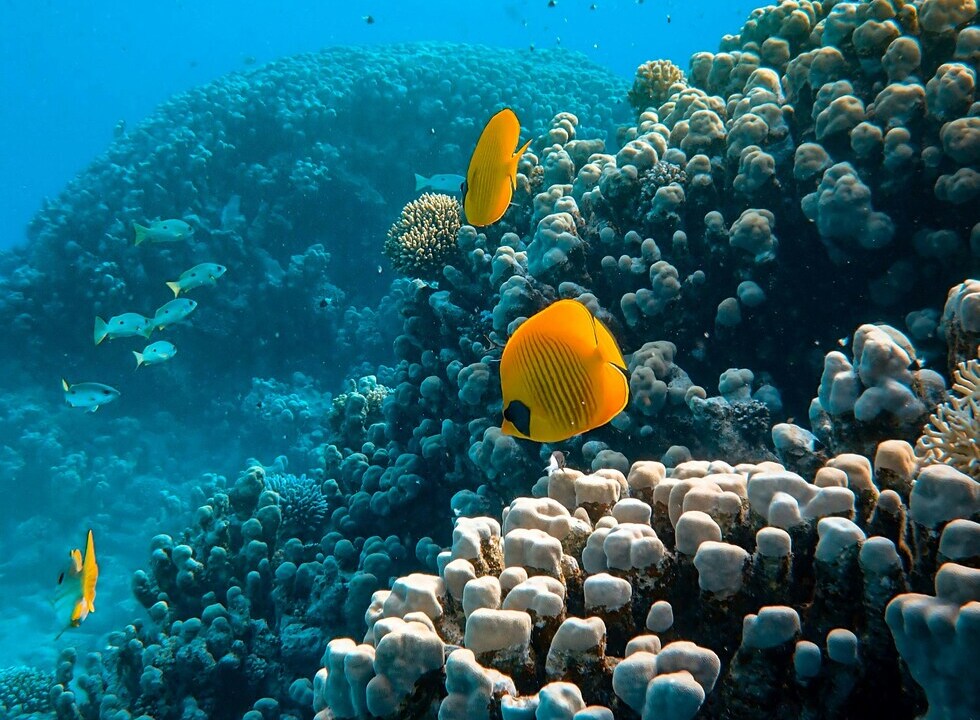
Everything about Trincomalee feels a size larger than expected. The harbour it wraps around is one of the deepest natural harbours on Earth, a geography that has drawn navies and traders here for centuries. Climb to Koneswaram Temple, perched dramatically on Swami Rock with the ocean falling away beneath it, or wander the old ramparts of Fort Frederick, where spotted deer graze with total indifference to visitors. Then get back on the water: those same deep channels that made Trincomalee a strategic prize now make it one of the east coast’s best bases for scuba diving and whale watching, with sperm whales and blue whales cruising the offshore canyons in season.
Stay: Properties along the Uppuveli strip will give you easy access to the beach and the town’s historic core.
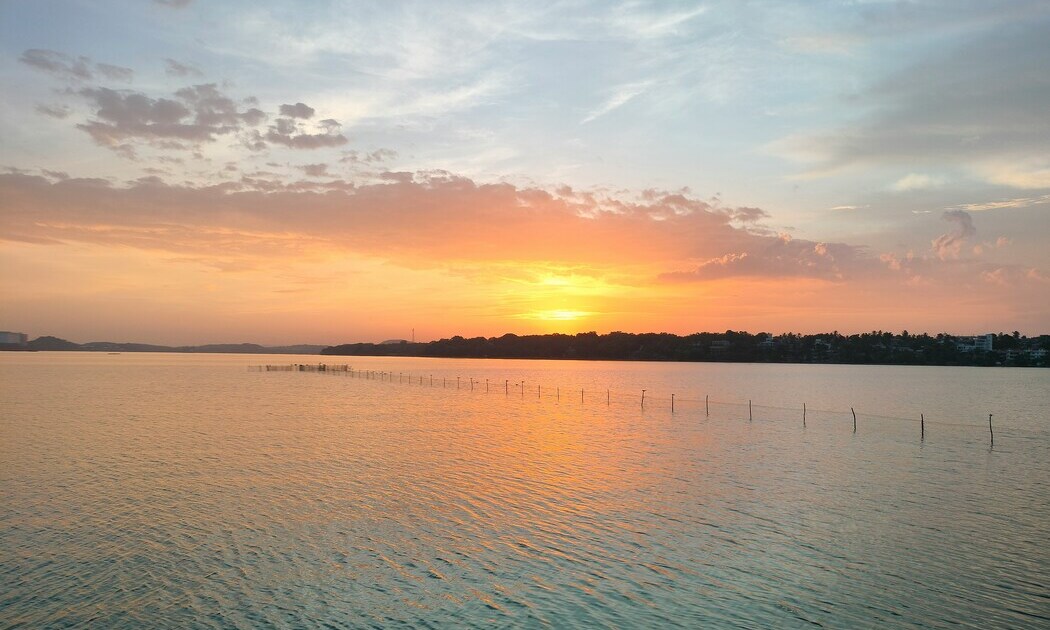
Don’t miss: A sunset boat trip out into the harbour itself, quieter and far less touristed than the whale-watching runs further north.
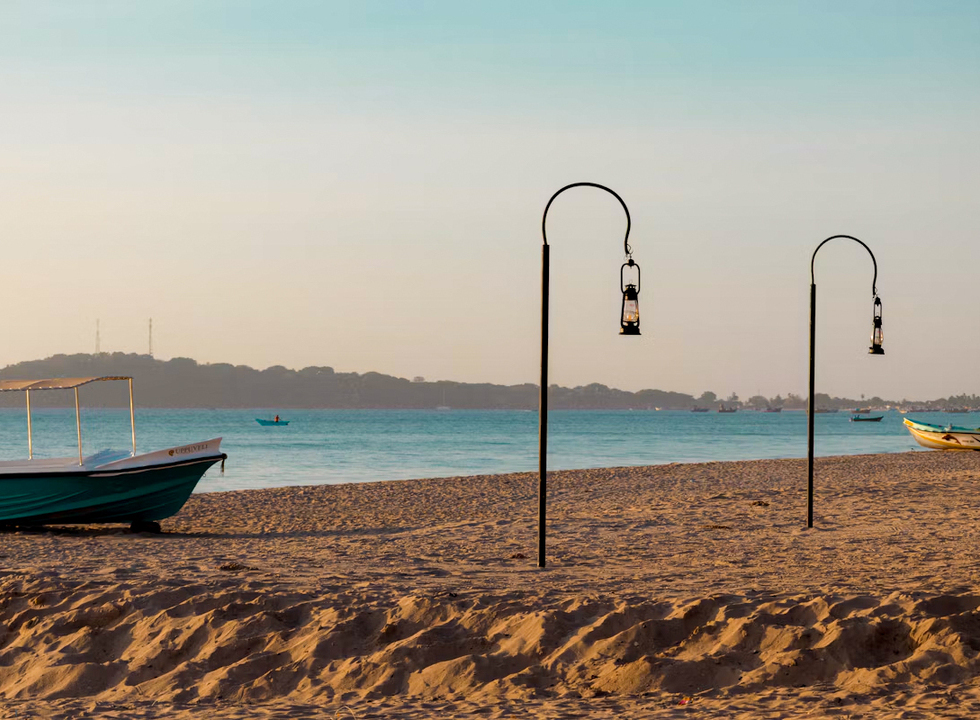
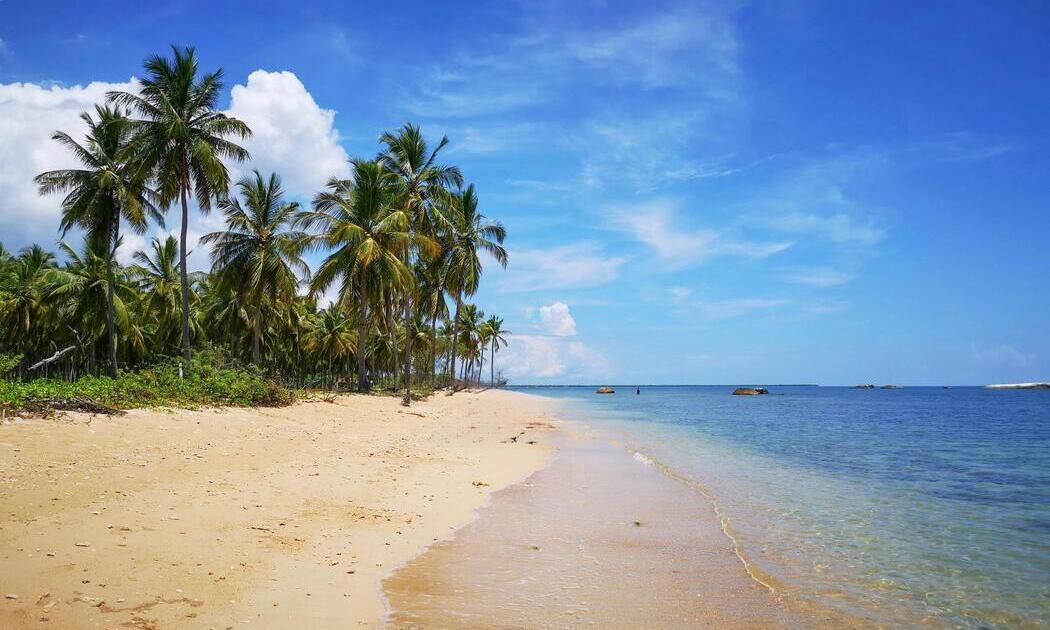
South of Trincomalee, past fishing villages, coconut groves and glimpses of empty shoreline through the trees, sits Marble Beach, a sheltered cove with clear, calm water that rewards travellers who’d rather have a quiet morning than a beach town’s worth of options. There’s little infrastructure here by design; bring what you need and treat it as a picnic-and-swim stop rather than a full-day base.
Tip: Time your visit for a weekday morning, this is a spot that can be blissfully empty outside weekends and holidays.
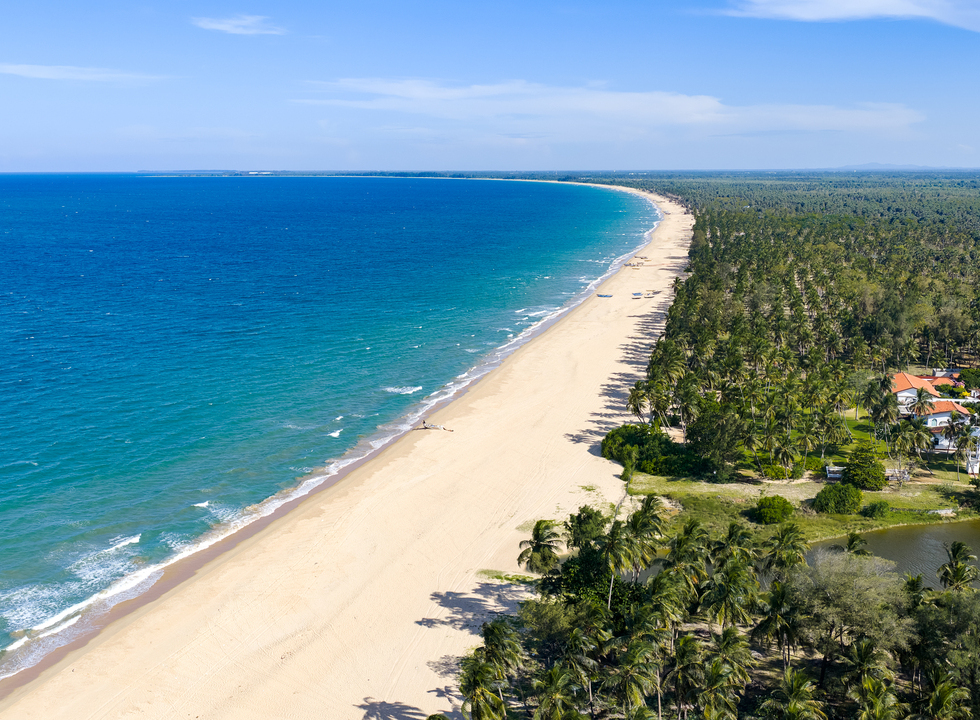
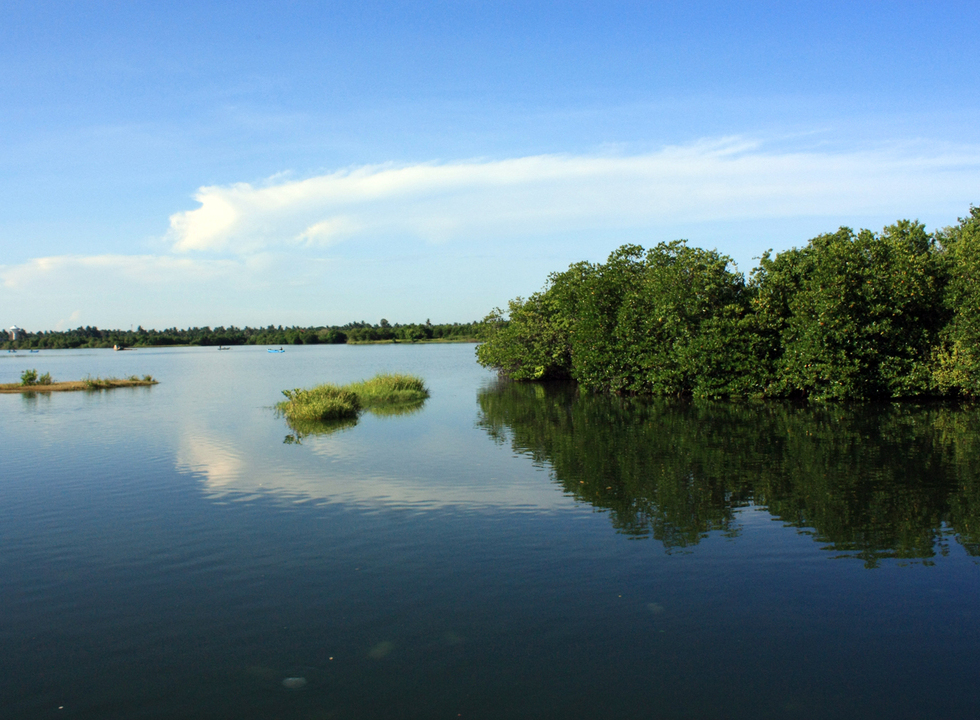
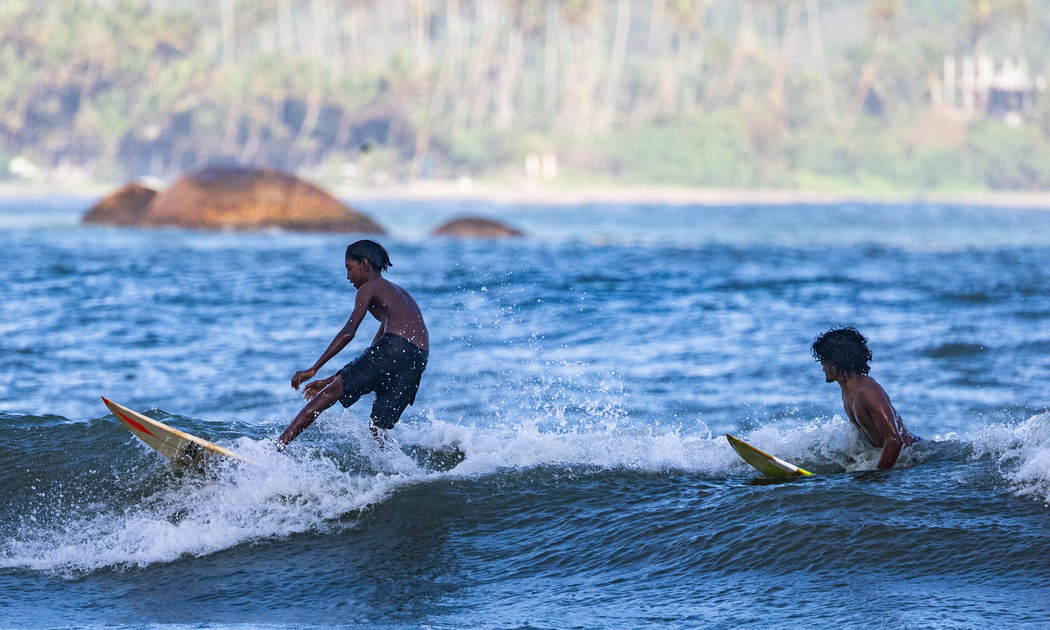
Arugam Bay is one of the most storied breaks in the Indian Ocean, drawing surfers from across the globe for its long right-hand point break, particularly between May and October when the swell is at its most consistent. The town has built a personality well beyond the wave itself: barefoot, unhurried, full of cafés where a morning can disappear entirely without anyone minding. You don’t need a board to enjoy it, plenty of visitors come simply to watch the surf unfold from a café terrace, take a beginner lesson, or explore Pottuvil Lagoon by boat, where mangroves shelter a genuinely impressive range of birdlife.
Stay: Arugam Bay’s accommodation runs from simple surf guesthouses to genuinely stylish boutique stays and quieter bungalow-style resorts set in leafy gardens. Several beachfront boutique hotels here pair design-forward rooms with on-site restaurants and pools, good for travellers who want the surf-town energy without roughing it.
Eat & drink: This is a town that takes its coffee more seriously than you’d expect from a surf outpost — several specialty cafés along the main strip serve proper espresso alongside smoothie bowls and all-day brunch, worth seeking out for a slow, air-conditioned midday break between sessions in the water. For dinner, the seafood here is a genuine highlight of the east coast, and a wood-fired pizza after a long beach day is something of a local ritual.
Don’t miss: Heading further south towards Panama, where the coastline turns rural and quiet, and the crowds thin out to almost nothing.

This is a region where ocean, lagoon, forest and farmland meet in close quarters, and the fringe experiences are often the ones people remember longest.
Because the east coast sits so close to Gal Oya, Kumana, Pottuvil and the wider Yala ecosystem, it’s entirely possible to build a morning safari into an afternoon spent floating in a turquoise bay, a contrast that’s hard to find packaged together anywhere else on the island.
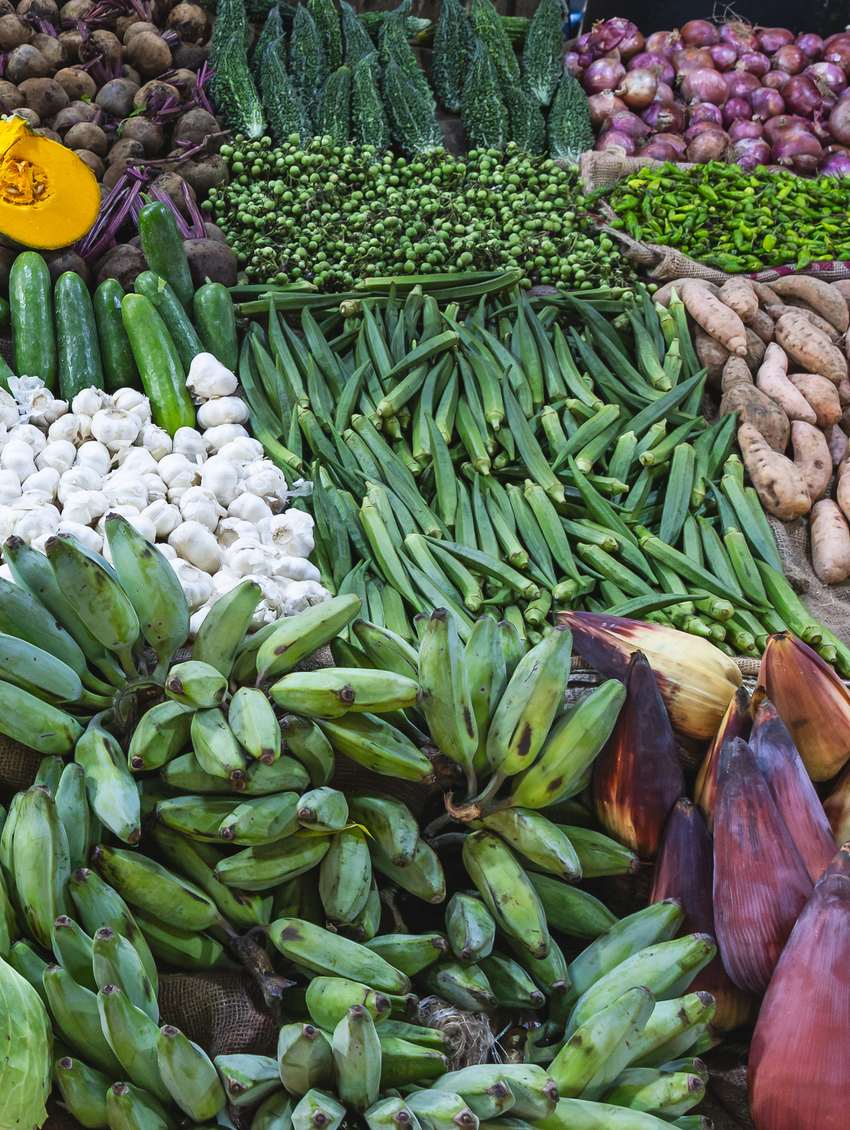
Beyond the wildlife, let the smaller moments do the work: a lagoon safari at sunrise, a village market stacked with unfamiliar fruit and spice, a roadside stop for king coconut or a roti fresh off the griddle, a Hindu temple found by accident down a side road. Cycle the back lanes around Kalkudah or Batticaloa. Paddle a lagoon at dawn. Take a surf lesson in Arugam Bay purely for the story of trying.
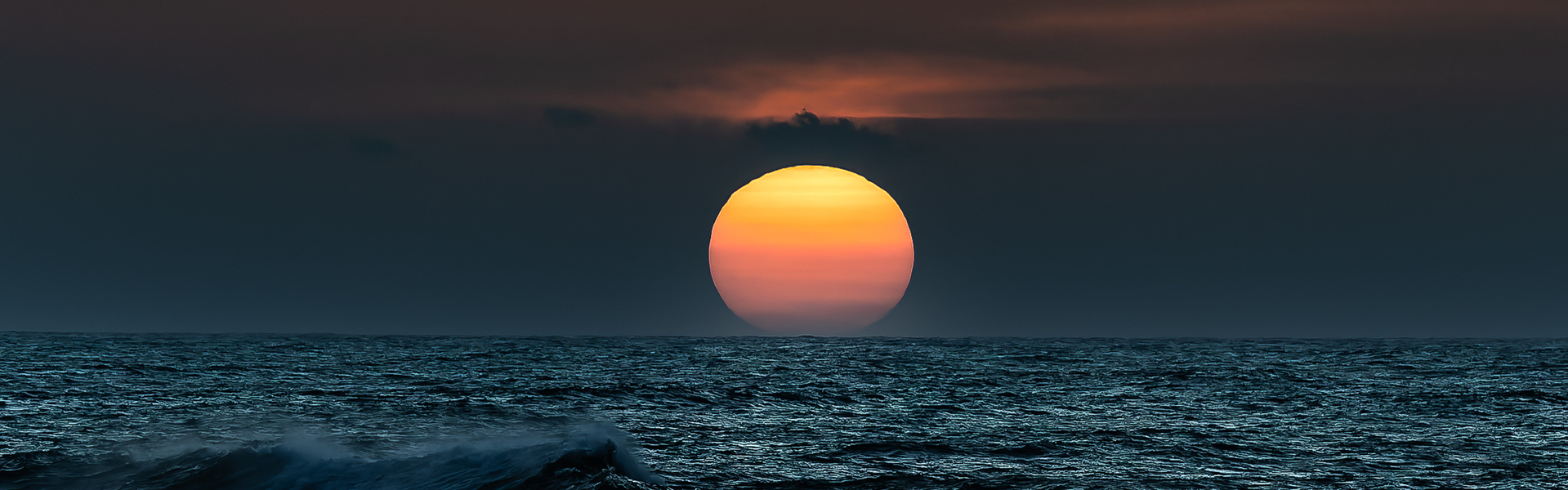
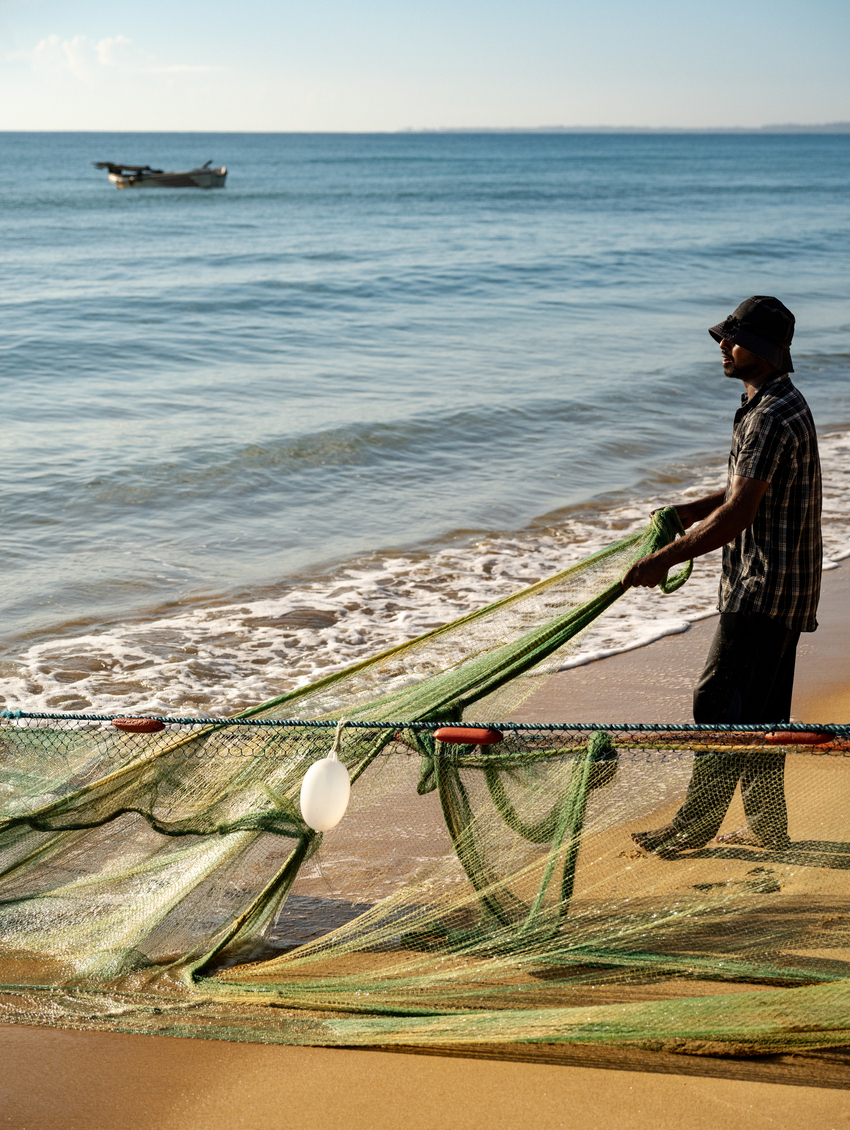
And then there are the experiences that ask nothing of your itinerary at all — a fisherman rowing in at first light, a temple bell drifting across the palms, children playing cricket on a beach with no tourists on it, a sunset that falls over still lagoon water instead of the open sea.
The reason the east coast can offer calm seas and reliable sun from February through October while the south is drenched comes down to Sri Lanka sitting between two separate monsoon systems that arrive from opposite directions at different times of year. It’s a quirk of geography that turns the island into two beach destinations rather than one, each taking its turn in the sun. For travellers willing to look past the well-worn southern circuit, that quirk translates into something rare in tropical travel: a coastline that’s almost always in season, somewhere.
Plan Ahead: Browse a collection of tailor-made itineraries or contact us to customise your own journey at travel@teardrop-journeys.com.
 FAQs
Q: What’s the best season to travel to the East Coast?
February to October (the climate is hottest during April and May). The east coast enjoys dry weather for most of the year, with the heaviest rainfall experienced in the months of October and November.
Q: How long is the drive?
The east coast enjoys excellent road connectivity, making travel from major cities easy and hassle-free. Polonnaruwa is just 1.5 hours away, Sigiriya around 3 hours, and Kandy, Nuwara Eliya, or Ella approximately 4.5 hours. It takes approximately 6 hours from Colombo by car with minimal stops. Alternatively, flights from Colombo to Batticaloa, just 35km away, take approximately 2.5 hours, including transfers.
Q: What other destinations can I combine with an east coast trip?
Jaffna, Polonnaruwa in the Cultural Triangle, Ella and Koslanda
Q: What’s the best season for whale watching in Trincomalee?
Between March to October, whales migrate from the southern to the eastern coast of Sri Lanka. While sightings are possible throughout this period, the best months for spotting blue whales are from April to July.
