CHECK RATES AND AVAILABILITY

Your island escape, just a few clicks away.
Check in | Check out
Select Hotel
Adults
Children
Nationality
Promo Code

Ten wild waterfalls in Sri Lanka

By Teardrop Hotels
9 November 2026
7 Minute Read
Few sights capture the essence of Sri Lanka’s wild beauty quite like its waterfalls. Remarkably, Sri Lanka has the highest density of waterfalls in the world, with more than 400 cascades scattered across its relatively small landmass.

Many of the island’s most dramatic falls lie along or near the famed Pekoe Trail, where centuries-old tea paths lead through mist-draped forests, quiet villages and rolling green highlands. And getting there is all part of the adventure, whether pausing for sweet strawberries at a roadside farm, chatting with fruit vendors or joining children for a spontaneous game of cricket in a hill-country clearing. From hidden cascades to spectacular plunges, we’ve selected ten of the best waterfalls in Sri Lanka to explore.
Bambarakanda Falls
Where: Belihuloya
Best Time to Visit: March to May
Difficulty: Moderate to Challenging
Hike Duration: 30 minute hike from Kalupahana
Swimming: Seasonal
Ideal For: Adventure travellers

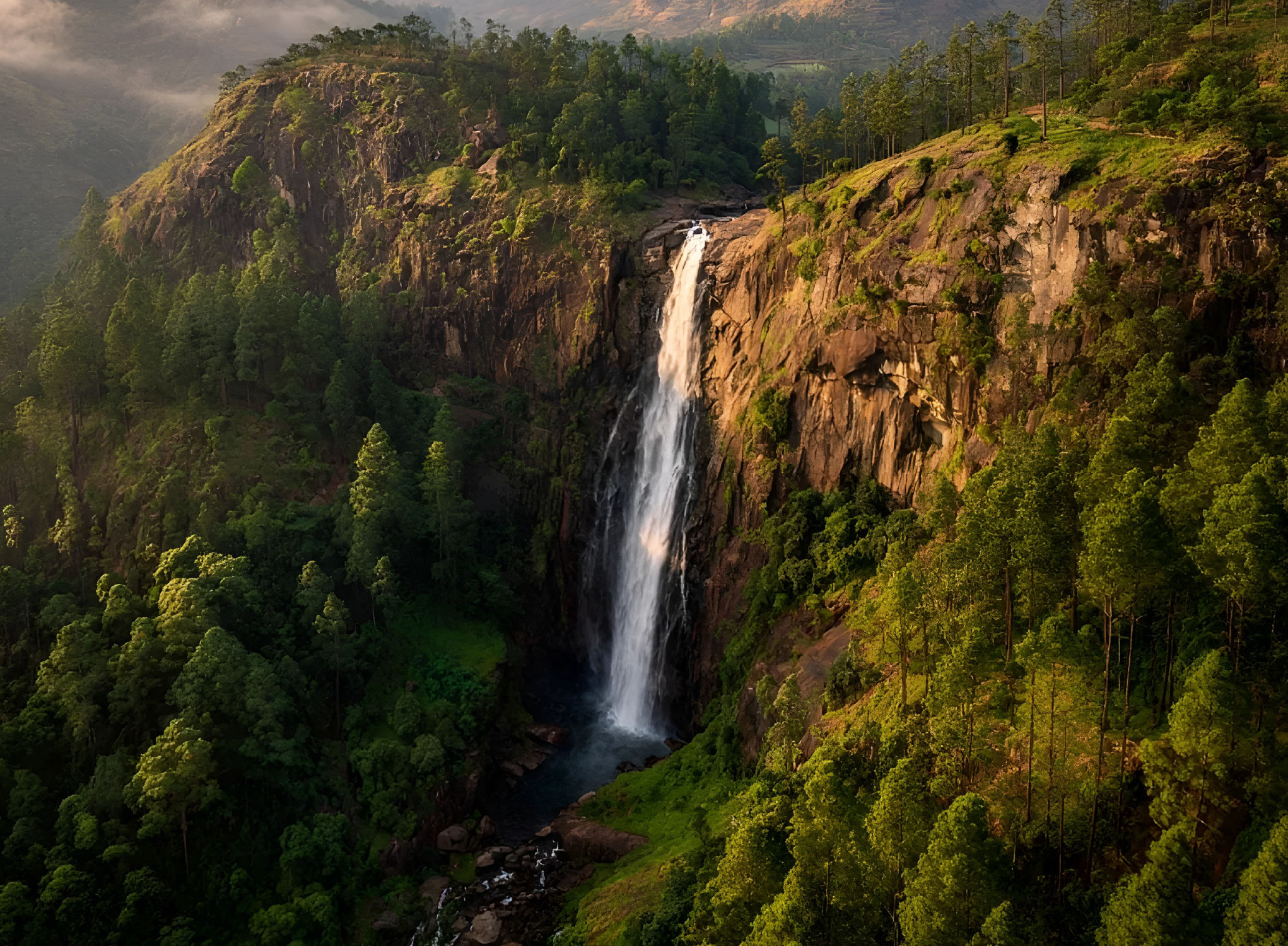
At 263 metres, Bambarakanda Falls is Sri Lanka’s tallest waterfall, a slender ribbon of water surrounded by pine forests and dramatic cliffs. A short forest walk will reward you with a peaceful, picnic-friendly base – a must-visit on any Sri Lanka nature travel itinerary.
Diyaluma Falls
Where: Koslanda
Best Time to Visit: Between January and May
Difficulty: Moderate
Hike Duration: 30 to 40 minutes hike from Poonawala
Swimming: Seasonal
Ideal For: Adventure travellers and photographers

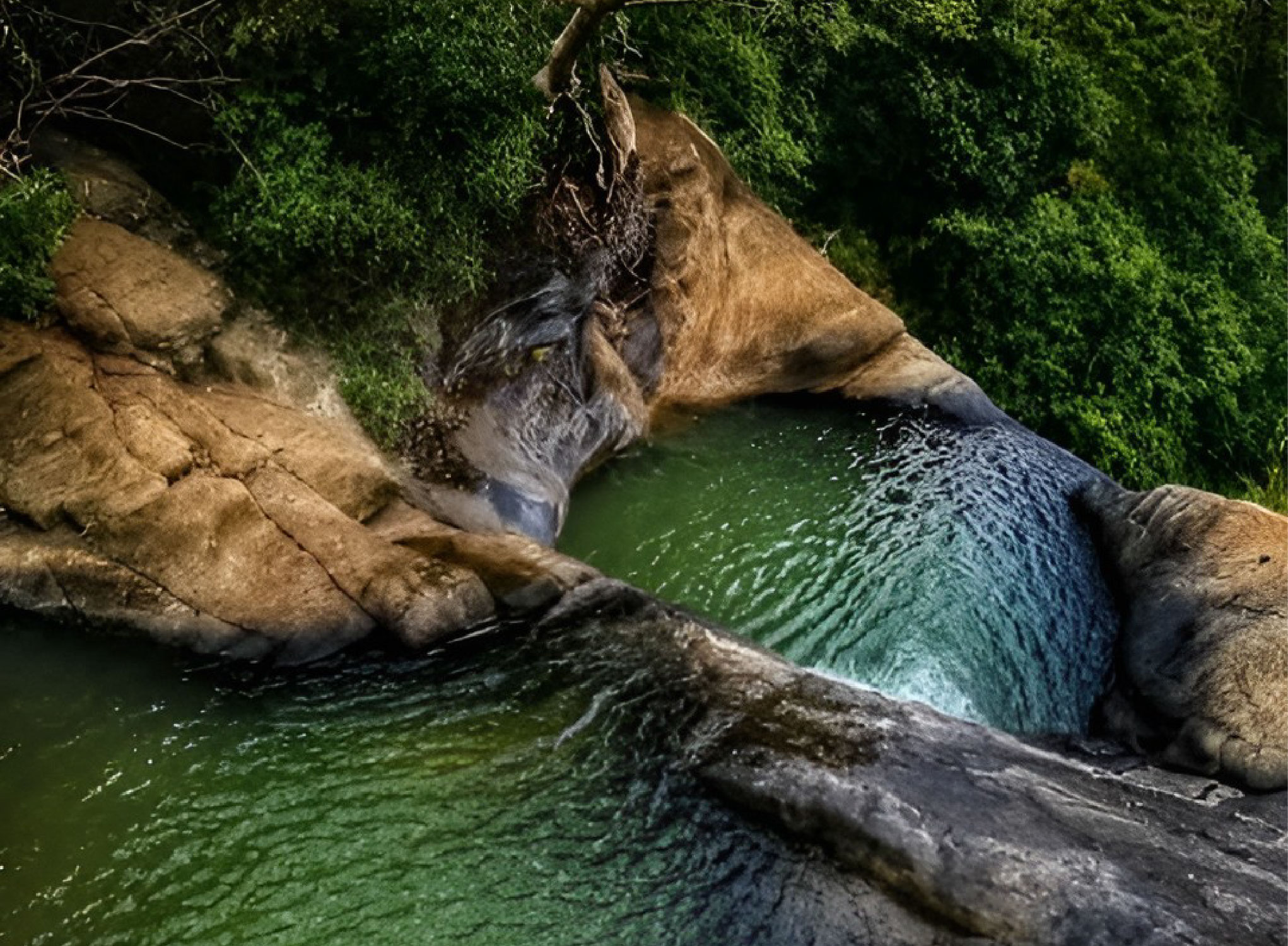
At 220 metres, Diyaluma Falls is Sri Lanka’s second-highest and one of the most famous waterfalls in Sri Lanka, generating a chain of natural infinity pools. It offers one of the most exhilarating spots for wild swimming in Sri Lanka, with sweeping views over the Haputale region. In Sinhalese, Diyaluma translates to “rapid flow of water” and is often poetically interpreted as “liquid light.” Sri Lankan historian Dr. R. L. Brohier recounts a local legend tied to the falls: a young chieftain, exiled to the highlands, attempted to reunite with his betrothed by lowering a rope of braided creepers down the sheer cliff. As she climbed, she was struck against the rocks and killed. Moved by compassion, the Gods are said to have released a cascade of water from the mountain to cloak the sorrowful scene in a shimmering veil.
Dunhinda Falls
Where: Badulla
Best Time to Visit: December to February
Difficulty: Easy
Hike Duration: Approx 30 minutes from the entrance
Swimming: Not advised
Ideal For: Adventure travellers and photographers

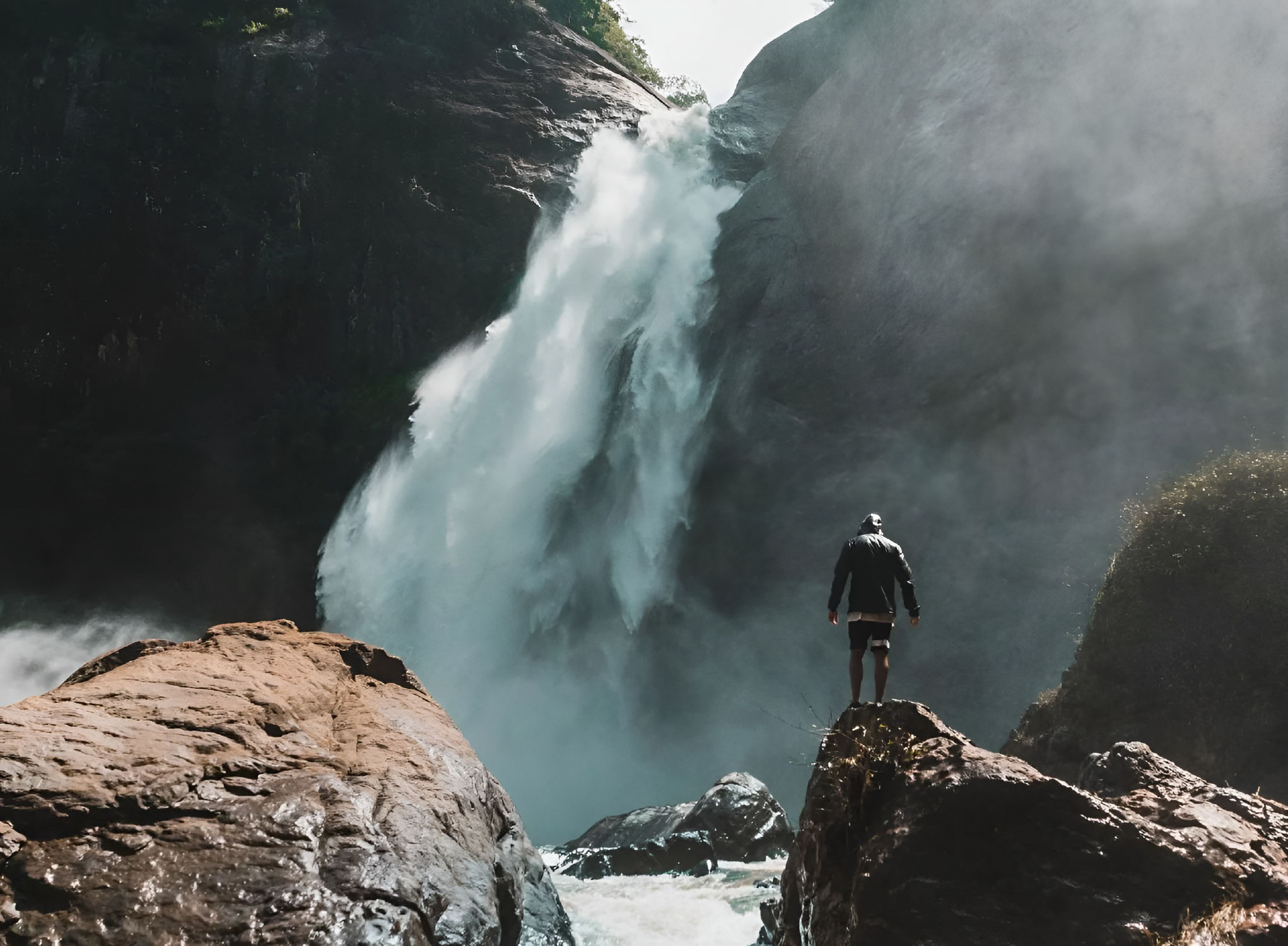
Dunhinda Falls is considered one of the most beautiful waterfalls near Badulla. Its name is derived from the Sinhala word dun, meaning mist or smoke, referring to the smoky spray-like mist that rises at the base of the falls. The 1.5km trail from the entrance to the waterfall reveals a lush world of jungle, birds and butterflies before opening to a dramatic 64-metre cascade wrapped in mist. Powerful currents and hidden rocks make swimming at the base of Dunhinda Falls extremely unsafe. Wildlife, including elephants and monkeys, can sometimes be seen along the trail so make sure not to feed them and avoid carrying visible food.
Ravana Ella Falls
Where: Ella
Best Time to Visit: December to April
Difficulty: Easy
Hike Duration: 15 to 30 minutes
Swimming: Seasonal
Ideal For: Families

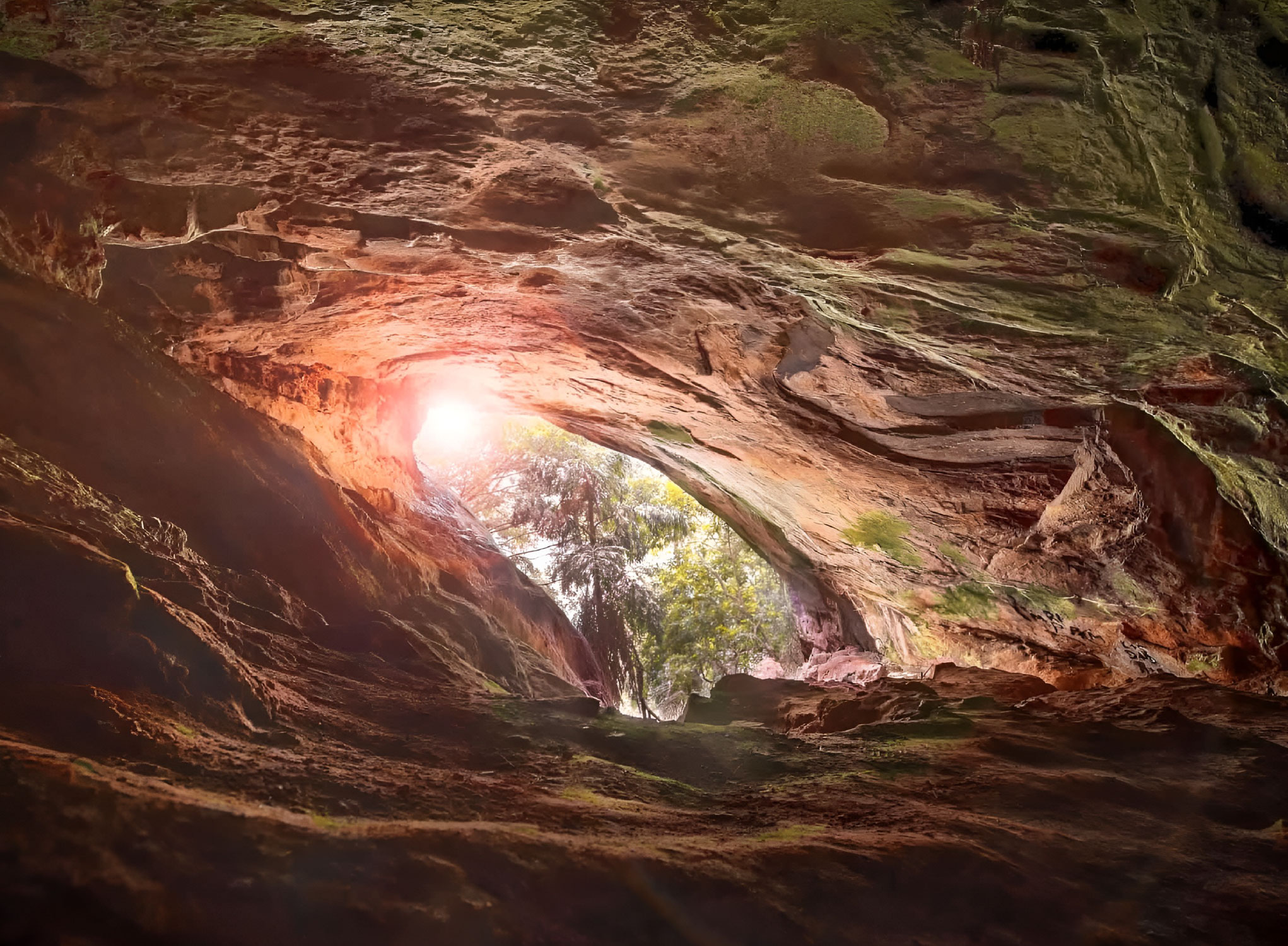
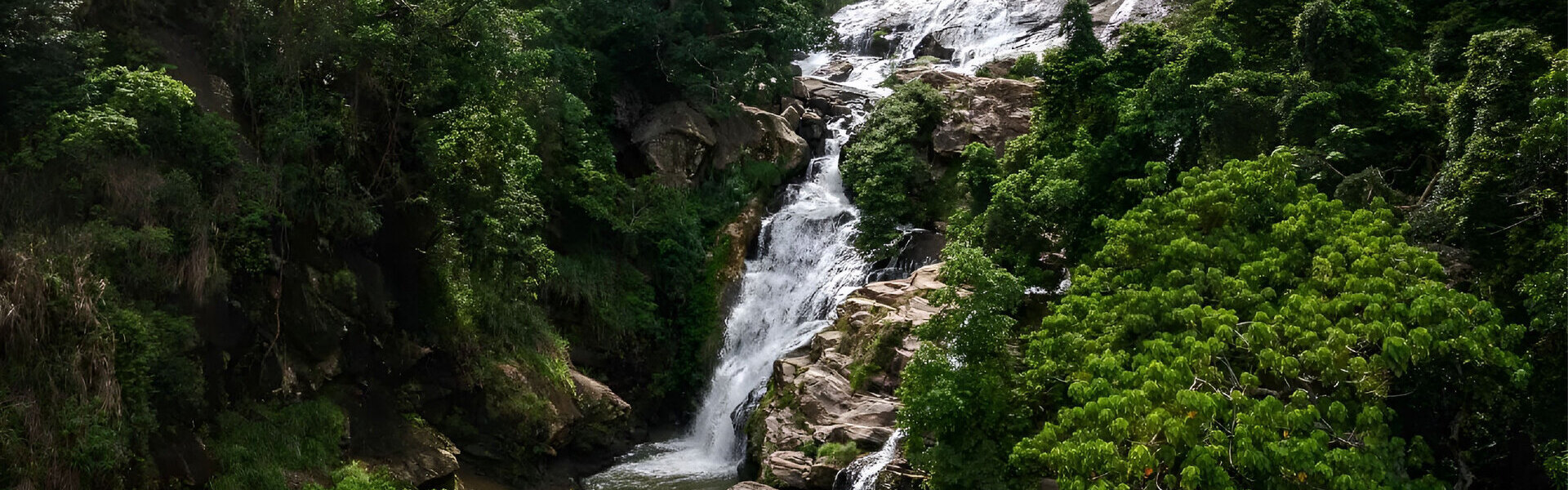
A waterfall near Ella, the falls take their name from the mythical King Ravana, a central figure in the Indian epic Ramayana. According to the folklore, Ravana – then ruler of Lanka – abducted Princess Sita and concealed her in the caves tucked behind this waterfall, today known as the Ravana Ella Cave. In the wet season, the cascade roars dramatically; in the dry months, shallow pools offer refreshing dips. Reaching the cave requires a climb of roughly 650 stone steps cut into the rock. While the ascent is moderately challenging, it rewards you with sweeping views and a real sense of adventure.
Baker’s Falls
Where: Horton Plains National Park
Best Time to Visit: January to April
Difficulty: Easy
Hike Duration: 1.5 hrs
Swimming: Not advised
Ideal For: Families and photographers

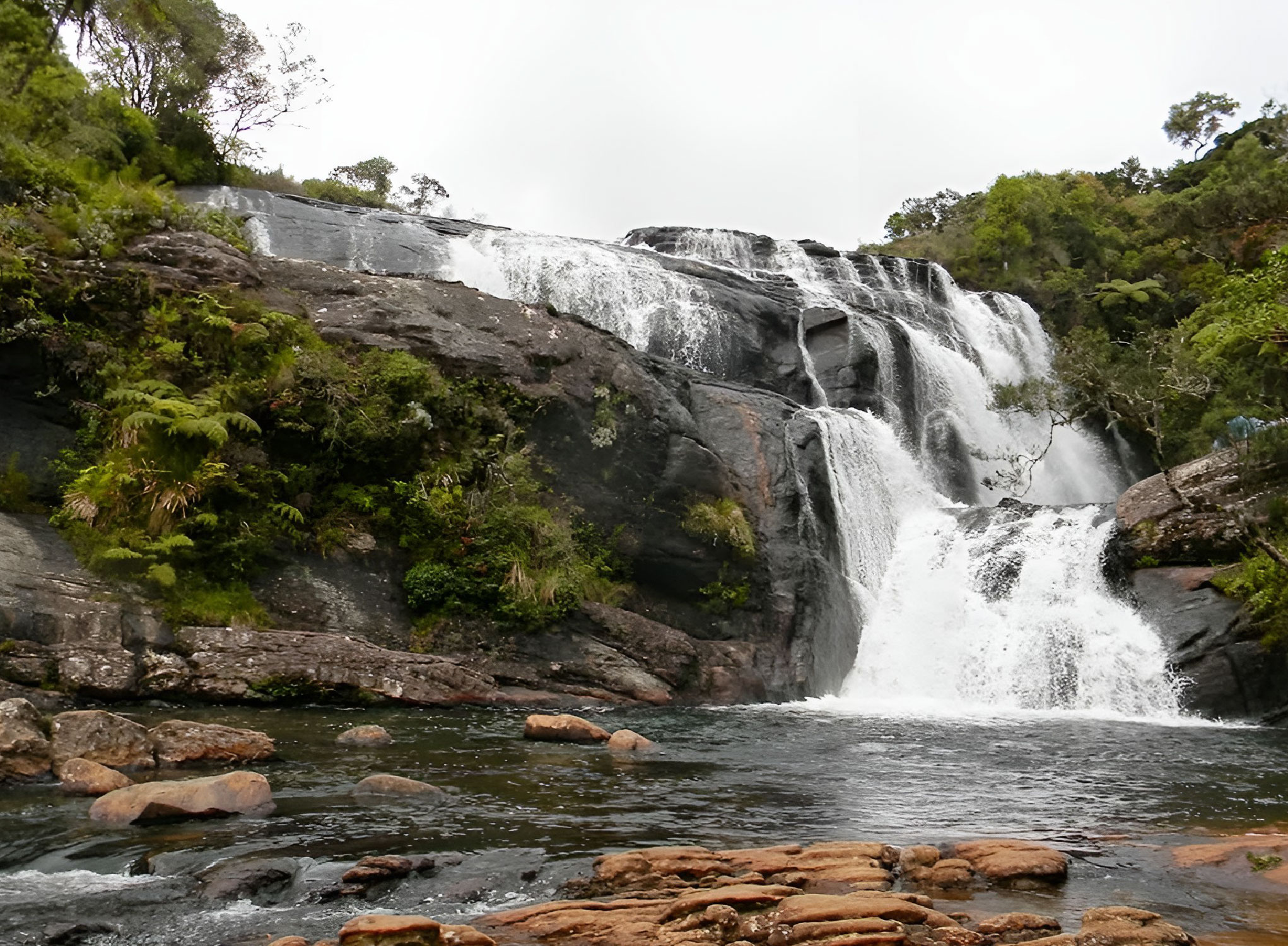
Reached via the World’s End loop trail, Baker’s Falls is a rushing, multi-level cascade surrounded by montane cloud forest – a must-see for anyone exploring Horton Plains. Its dramatic flow is most impressive during the Northeast monsoon. Spot endemic birds, sambar deer and rare plants along the Horton Plains trek.

MORAY & GARTMORE

Where: Maskeliya / Norton Bridge
Best Time to Visit: May to September
Difficulty: Moderate
Hike Duration: 45 minutes to an hour
Swimming: Not advised
Ideal For: Families and photographers

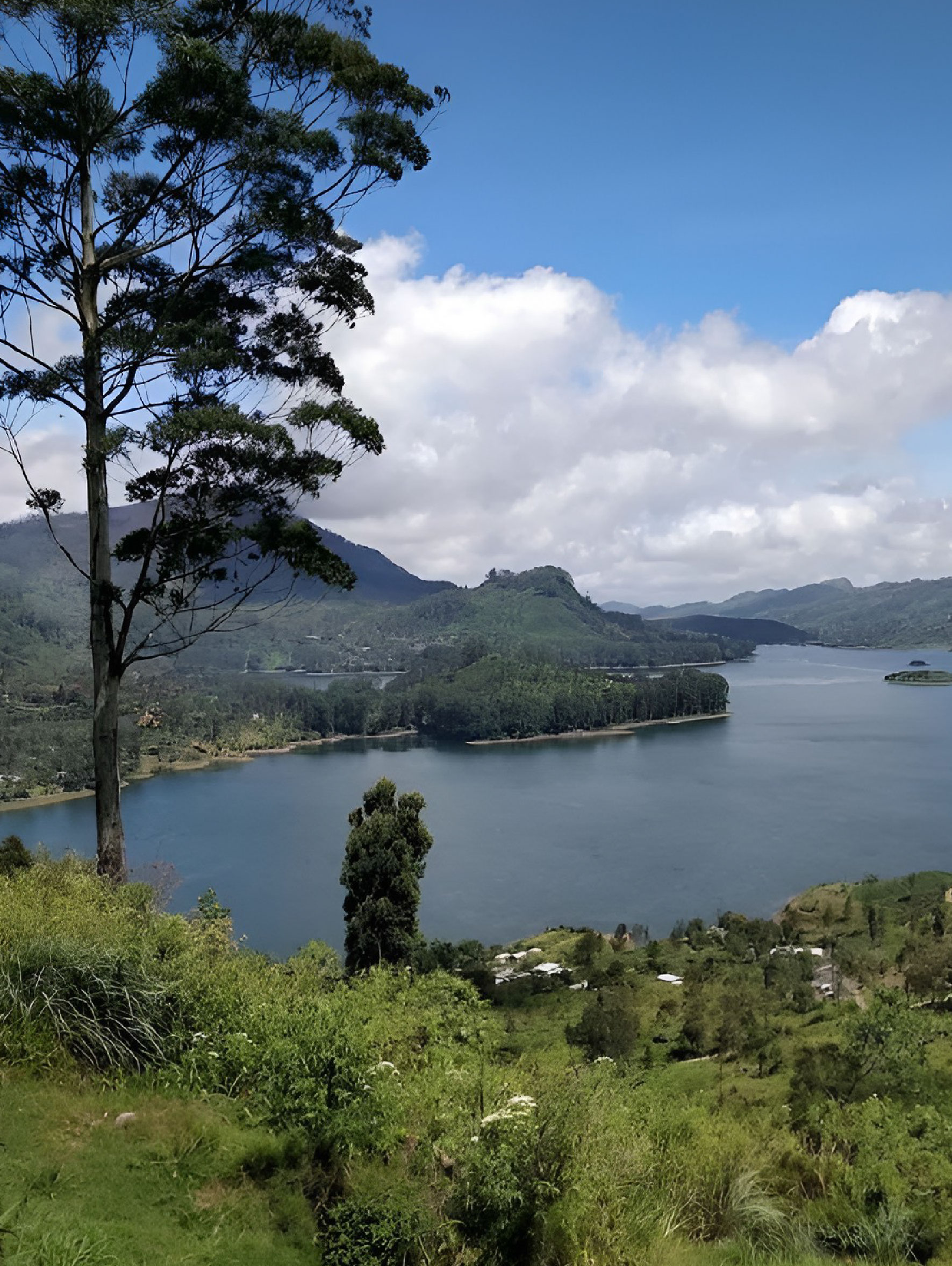
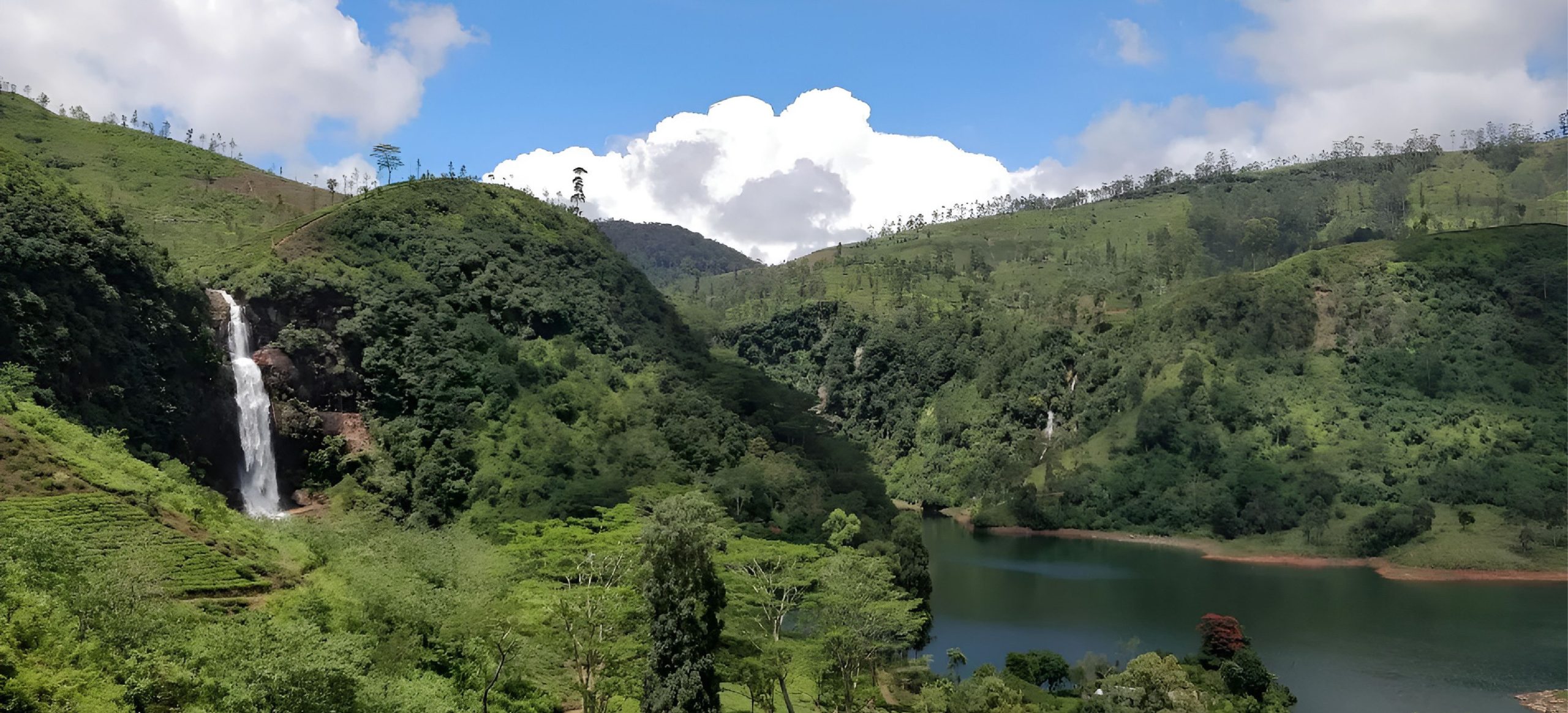
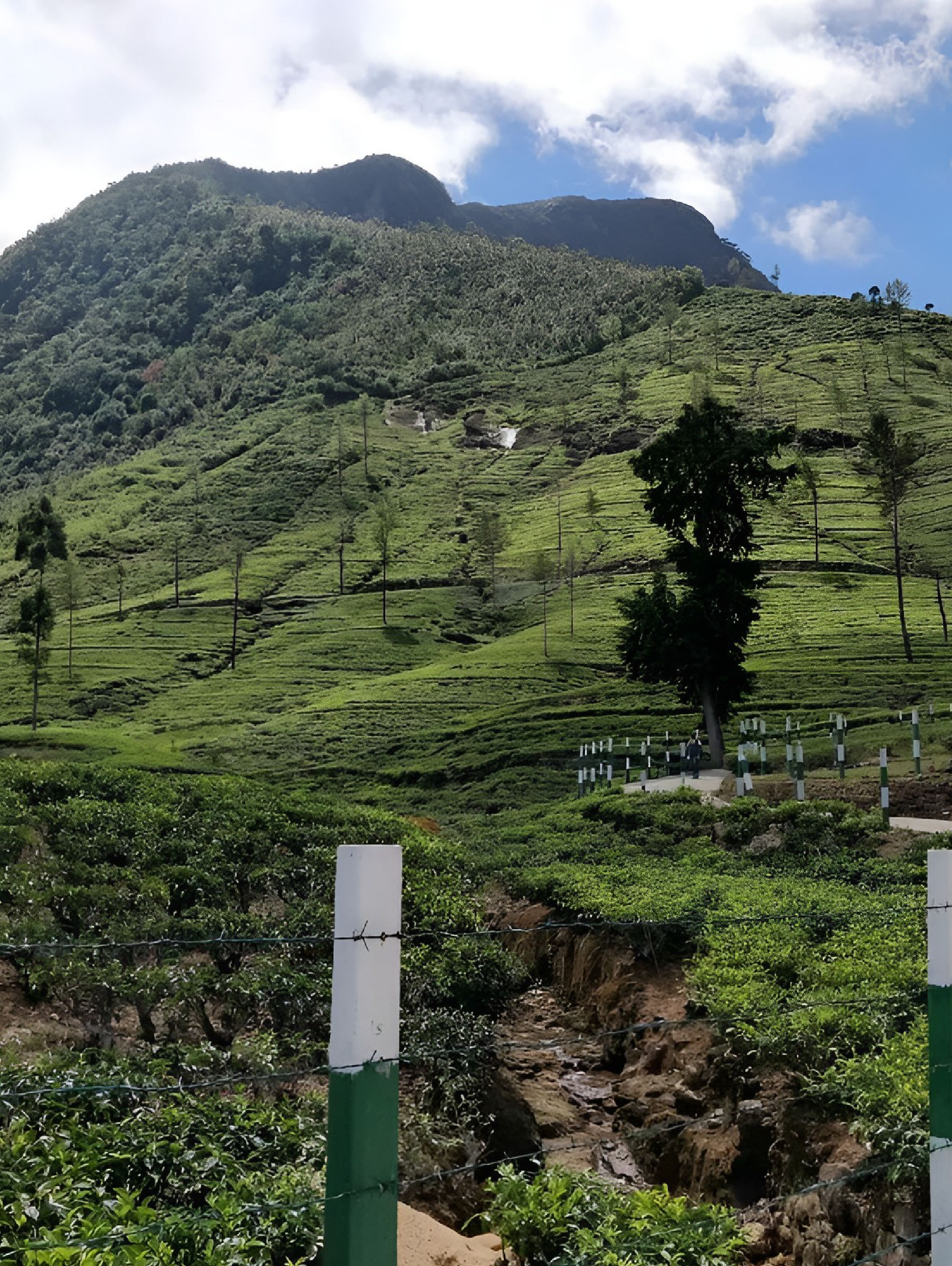
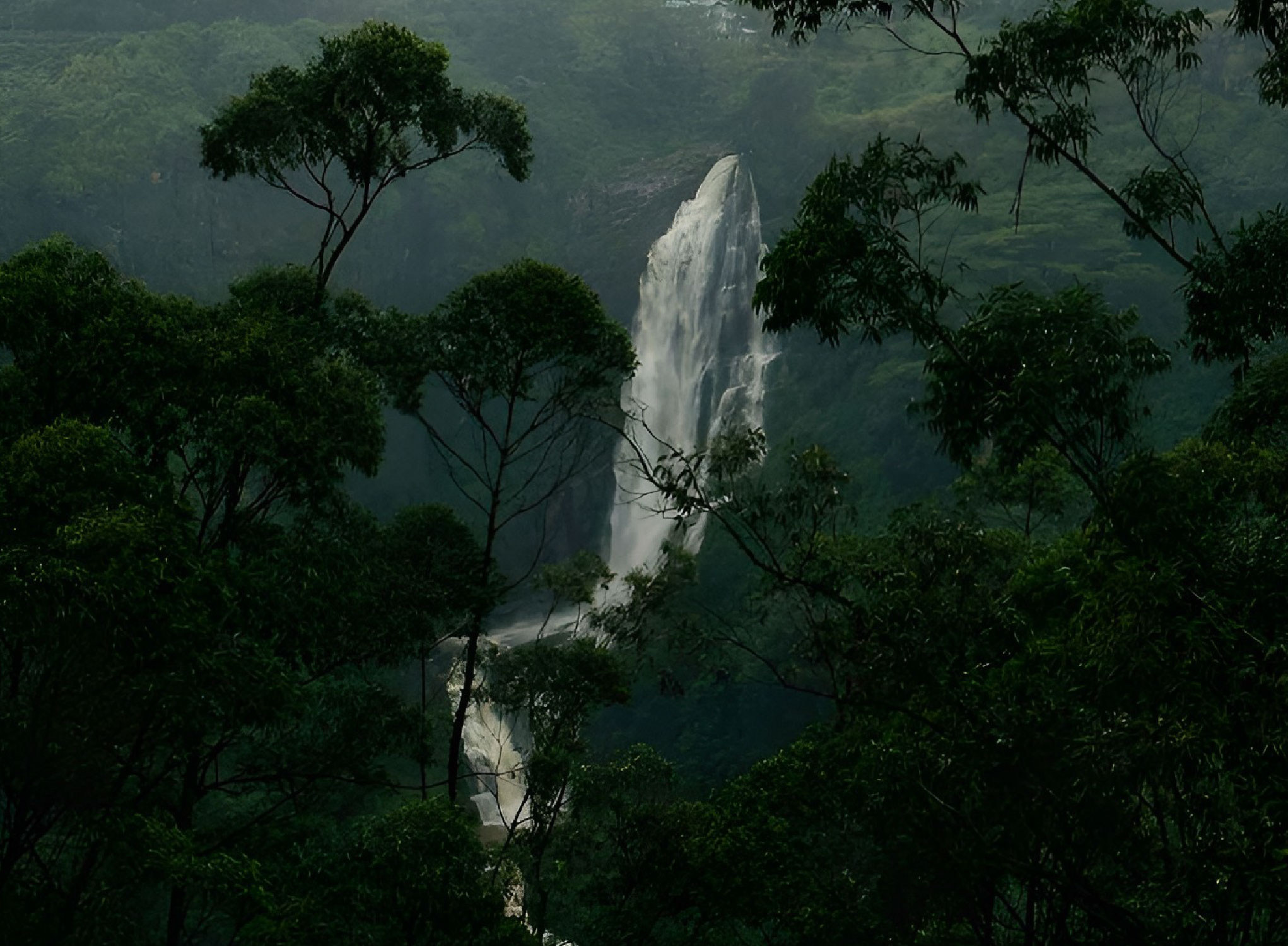
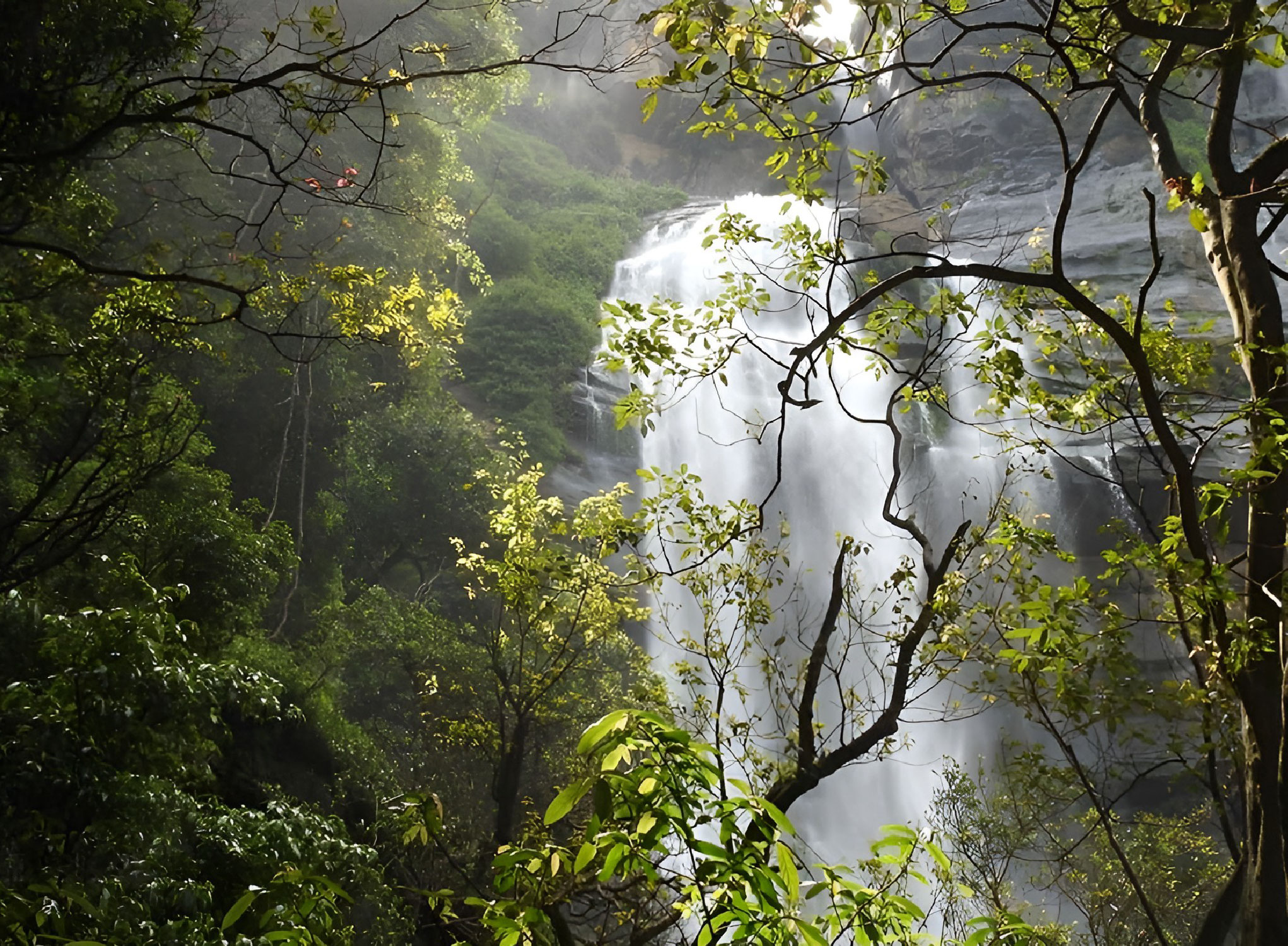
Tucked deep within the tea fields surrounding Maskeliya Reservoir, Moray Falls is a serene and lesser-visited cascade fed by the icy streams of the central highlands. From certain vantage points along the road, you can catch these two beautiful waterfalls in Sri Lanka cascading down the hillsides and flowing into the Maskeliya Reservoir, creating a striking meeting of water, tea-covered slopes and mountain scenery.

Also known locally as the Sri Pada Falls, Gartmore Falls is one of the most stunning sights near the Adam’s Peak range. With tea bushes carpeting the hillsides and cool mountain breezes sweeping over the plateau, this is one of the best hill-country viewpoints for nature photographers.
 

Devon Falls
Where: Talawakelle, Hatton Road
Best Time to Visit: December to April
Difficulty: Easy
Swimming: Not advised
Ideal For: Families

Towering, dramatic and known as the ‘Veil of the Valley’, Devon Falls plunges down a rugged rock face in a tall, powerful sheet. It is easily admired from several marked viewpoints along the main road, making it one of the most accessible yet impressive waterfalls near Hatton. In the morning light, the cascade glows silver against the mountains – a favourite moment for photographers on the highland route.
Bomburu Ella
Where: Between Nuwara Eliya and Uva Paranagama
Best Time to Visit: December to April
Difficulty: Moderate
Hike Duration: 45 minutes from the local car park
Swimming: Not advised
Ideal For: Adventure travellers and photographers

Celebrated as the widest waterfall in Sri Lanka, Bomburu Ella (also known as Perawella Falls) is one of the largest multi-stream cascades on the island, that merge into one impressive, sweeping curtain of water. For those hoping to explore Bomburu Ella, Goatfell is one of the best places to stay. Reaching the falls involves a short, scenic hike that winds through vegetable plots, village footpaths and cool woodland, making it ideal for families and travellers seeking gentle adventure.
Gerandi Ella
Where: Ududumbara / Knuckles Range
Best Time to Visit: December to February
Difficulty: Challenging
Hike Duration: 1 hour
Swimming: Yes
Ideal For: Adventure travellers and photographers

If you’re after a wilder experience, Gerandi Ella is one of the most rewarding hidden waterfalls in the Knuckles region. Comprising seven cascading levels, it’s a jewel of the Knuckles Mountain Range – remote, rugged and spectacular. The trail is more demanding than most, weaving through dense forest, river crossings and steep sections, but each tier of the waterfall reveals another breathtaking viewpoint.

FAQs

Q: What’s the best time for seeing waterfalls in Sri Lanka?

The most striking time to see waterfalls in full flow is after the monsoons, when water levels are high – however trails and pools can be unsafe after heavy rain. We recommend travelling after the Southwest monsoon, between December and April.

Q: Is swimming at waterfalls safe?
Swimming is only possible in some waterfalls and requires extreme caution. Pathways and rocks leading to the waterfall can be slippery, always check for strong currents and depth before swimming and never swim after a heavy rain.

Q: Do I need a guide?
Yes, a guide is highly recommended when hiking to remote or challenging waterfalls. They provide safety expertise and share valuable local knowledge.

Q: What to wear?
Sturdy shoes, pack a swimsuit and keep room in your itinerary for detours – some of the most beautiful Sri Lanka hill country waterfalls lie just off the main trail.

Q: What about leeches?
Leeches are common along many waterfall trails, and while leech socks and repellent can help, they don’t fully eliminate the chance of encountering them.

Q: Where to stay?
Base yourself at tea bungalows like Camellia Hills (best for seeing Gartmore and Moray), Goatfell (best for seeing Bakers Falls) or Nine Skies (for Ravana Ella and DiyalumaFalls).

Q: What fringe experiences can I combine with a waterfall tour?
There are many ways to deepen your connection to the landscape: learn to cook traditional dishes with local families, bird watching, picnics, explore remote byways on Royal Enfield bike tours, or wander through tea estates where the scents of eucalyptus and wildflowers drift across the slopes. In places like Horton Plains and the Knuckles foothills, you may even spot sambar deer grazing in the grasslands or, if you’re lucky, the silhouette of an elusive leopard moving silently in the bush.

Q: How can I pack many waterfalls into one trip?
Our Teardrop Journeys team curates an exclusive Waterfalls by Air holiday itinerary – a breathtaking aerial circuit over seven of Sri Lanka’s most spectacular cascades. Soar above tea valleys, misty peaks, and silver ribbons of water before touching down for a private picnic beside a secluded fall. It’s a once-in-a-lifetime experience, and the most magical and effortless way to see the island’s wild beauty.