



BOOK

CHECK RATES AND AVAILABILITY
Your island escape, just a few clicks away.
Check in | Check out
Your island escape, just a few clicks away.
In the early 2000s, a young Michael Davies, fresh from visiting his mother’s family in India, was stranded at Colombo’s airport with nothing but a phone and a Hong Kong-forged instinct to call someone. He rang five people. Within hours, he was at a restaurant, cocktails in hand, laughing with old friends. One of them persuaded him, somewhere around the third frozen strawberry margarita, to abandon his flight and drive south instead. Six hours later, he stood inside the crumbling walls of Galle Fort, staring at a black-and-white tiled floor, a donkey, and an old lady – and felt his life pivot.
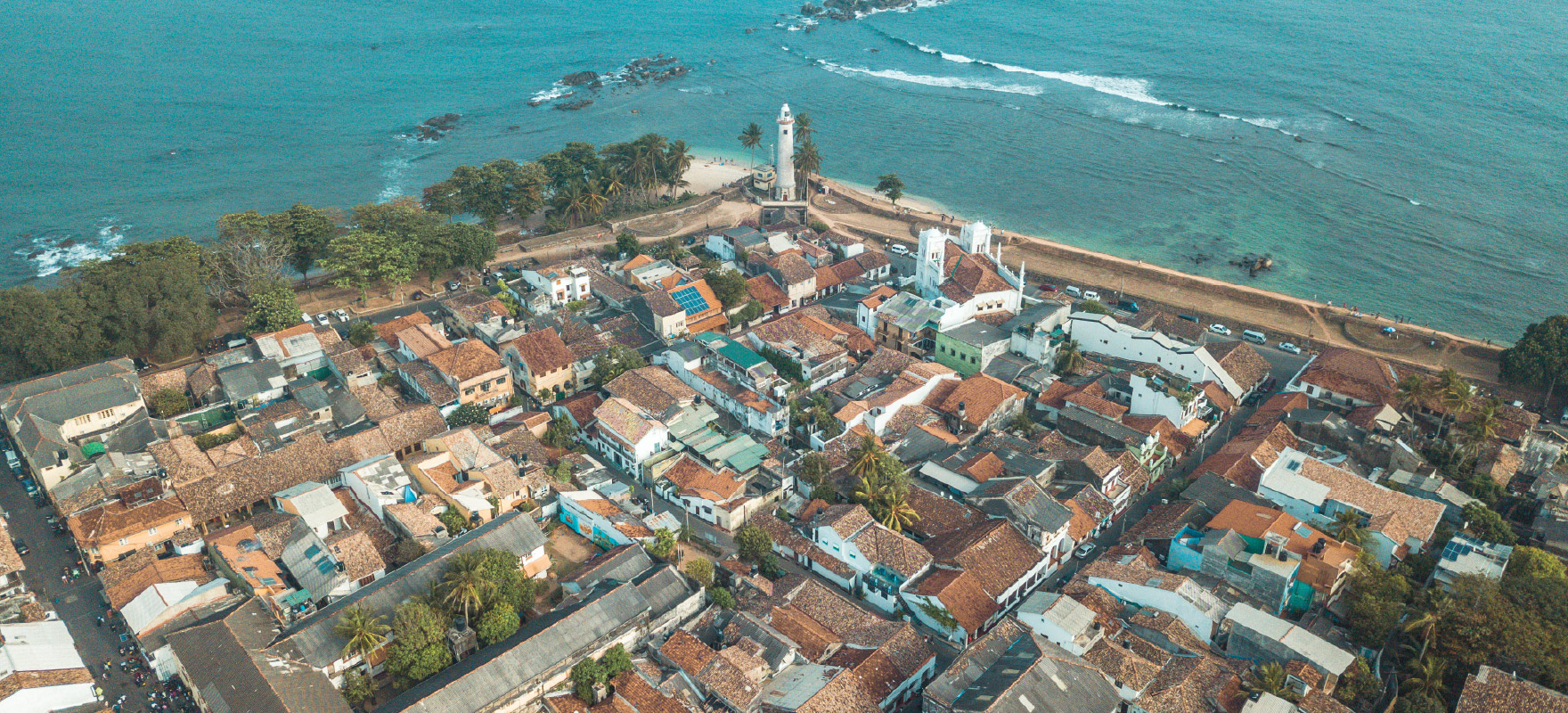
“I love architecture, I love old real estate, I love Asia,” Davies recalls. “And I’m thinking, there’s this place called Galle Fort. It’s got a cricket pitch next to it. It’s surrounded by the sea. And no one knows about it.”

That house – 41 Lighthouse Street – became the seed of what would grow into Teardrop Hotels, now Sri Lanka's most celebrated collection of boutique properties. Nineteen years after now CEO and business partner Henry Fitch moved to the island and began renovating their first hotel, the Wallawwa, Teardrop has become something far greater than a hospitality company. It has become a philosophy – a quiet, deliberate argument for a different kind of travel, and a different kind of future for Sri Lanka itself.
Teardrop is, at its heart, a story about three school friends: Fitch, and Co-Founders Davies, and Charlie Austin, who was a few years their senior and captain of the old boys’ cricket team. Cricket, it turns out, is the invisible thread woven through everything – the reason Charlie ended up in Sri Lanka as CEO of CricInfo, the reason the friendships held across decades, the reason a boutique hotel empire exists at all.
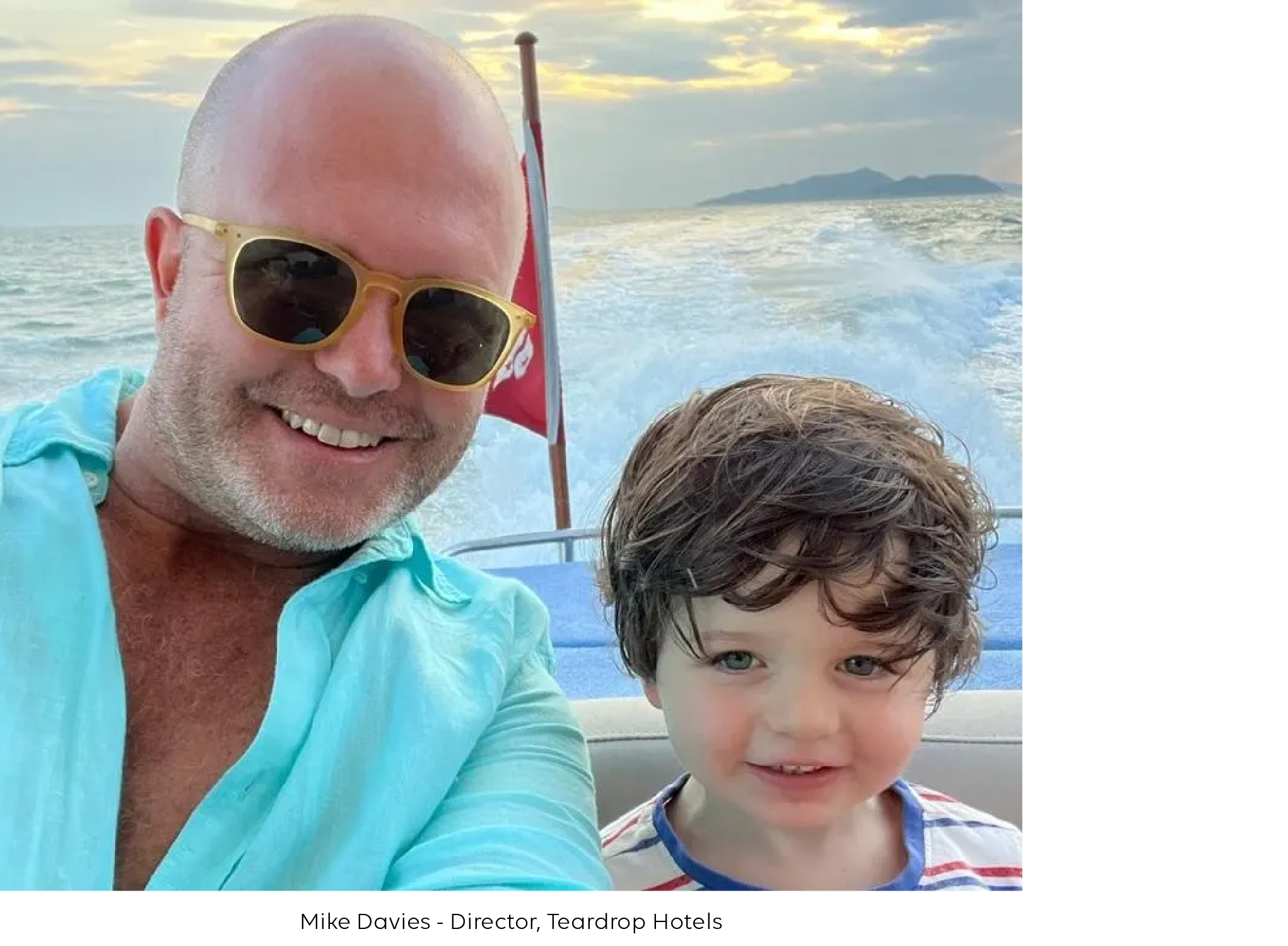

Ask Davies or Fitch to define what Teardrop is, and they’ll hesitate before arriving at the same place: soulful luxury. It’s not a phrase they invented in a boardroom. It’s one they found by listening to themselves describe what they already had.
“We used to say boutique,” Davies admits, “and then that word just got hammered.”
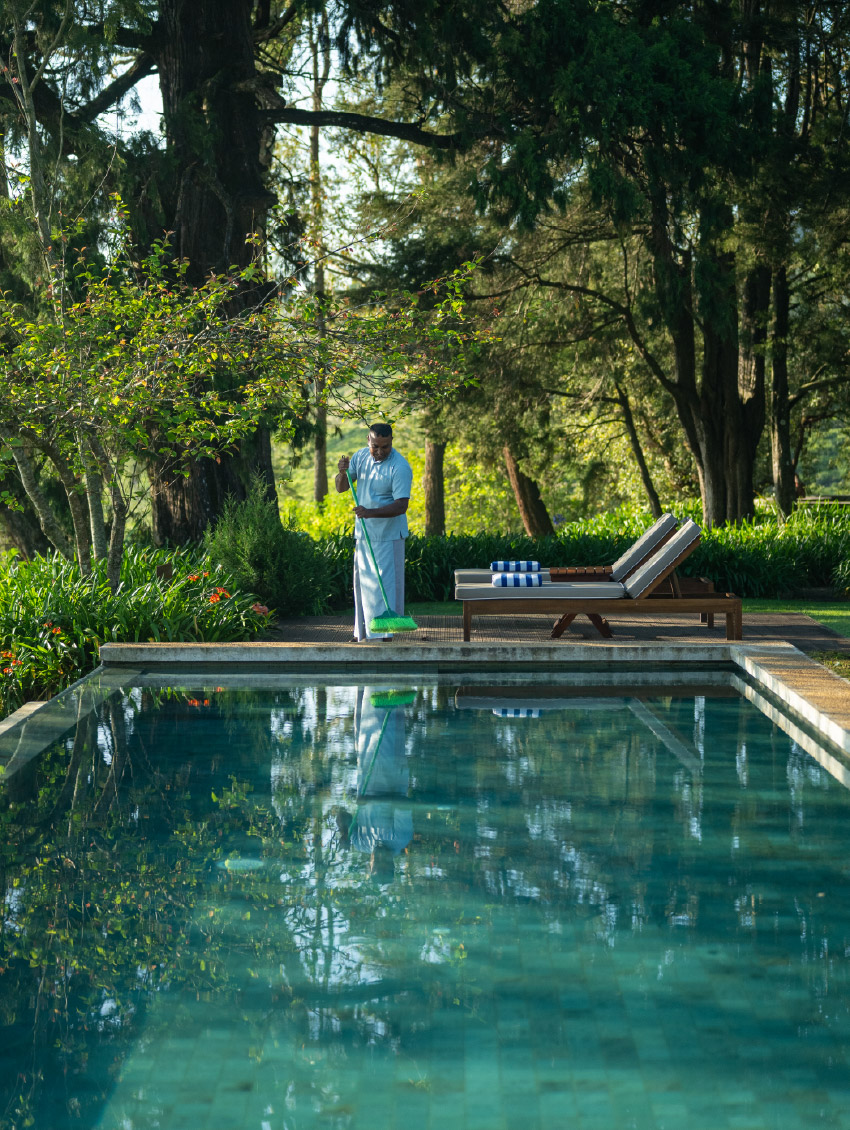
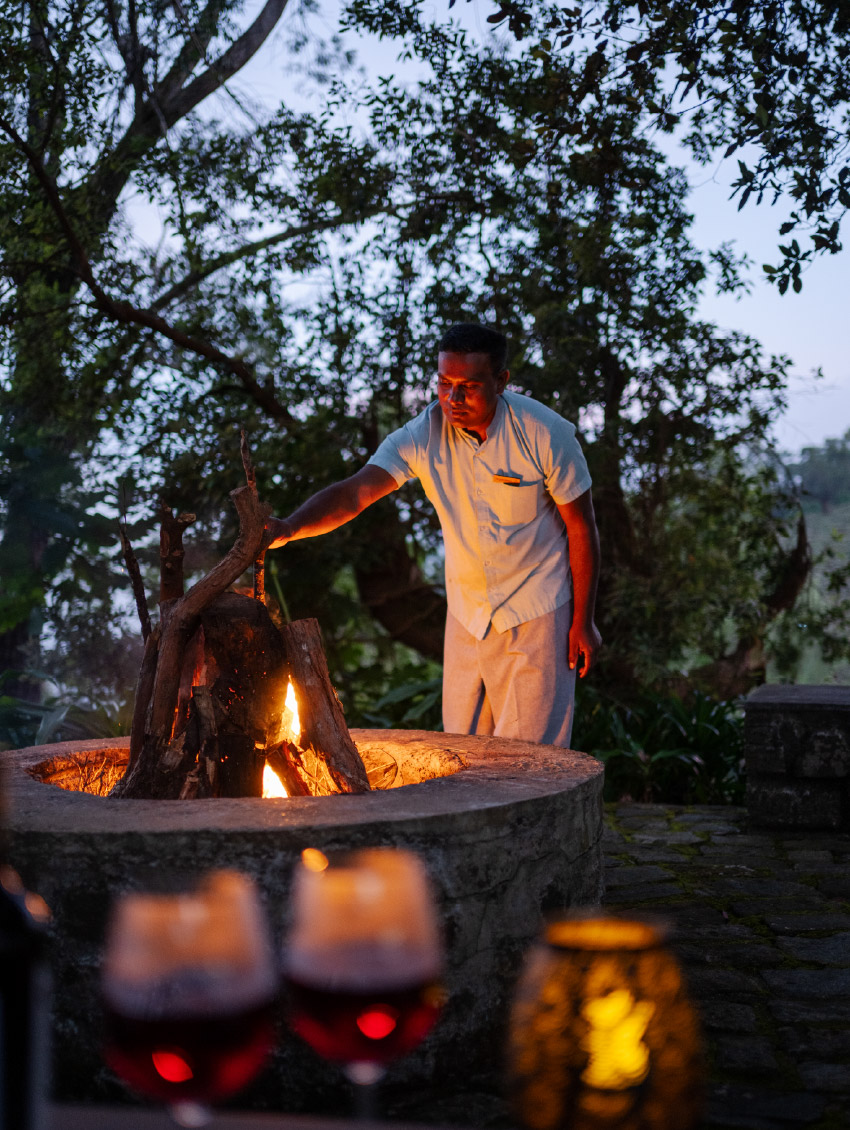
What they mean by ‘soulful luxury’ is not easily replicated. It is not about immaculate walls, or the precise thread count of the linen, though those things matter. It is about something harder to manufacture – the 21 staff members at the four-bedroom Goatfell who take guests hiking with binoculars, who pack picnics, who have a staff turnover rate of under one percent because they love being there. It is about the resident manager at Wallawwa who joins guests at their social hour not out of obligation but out of genuine warmth.
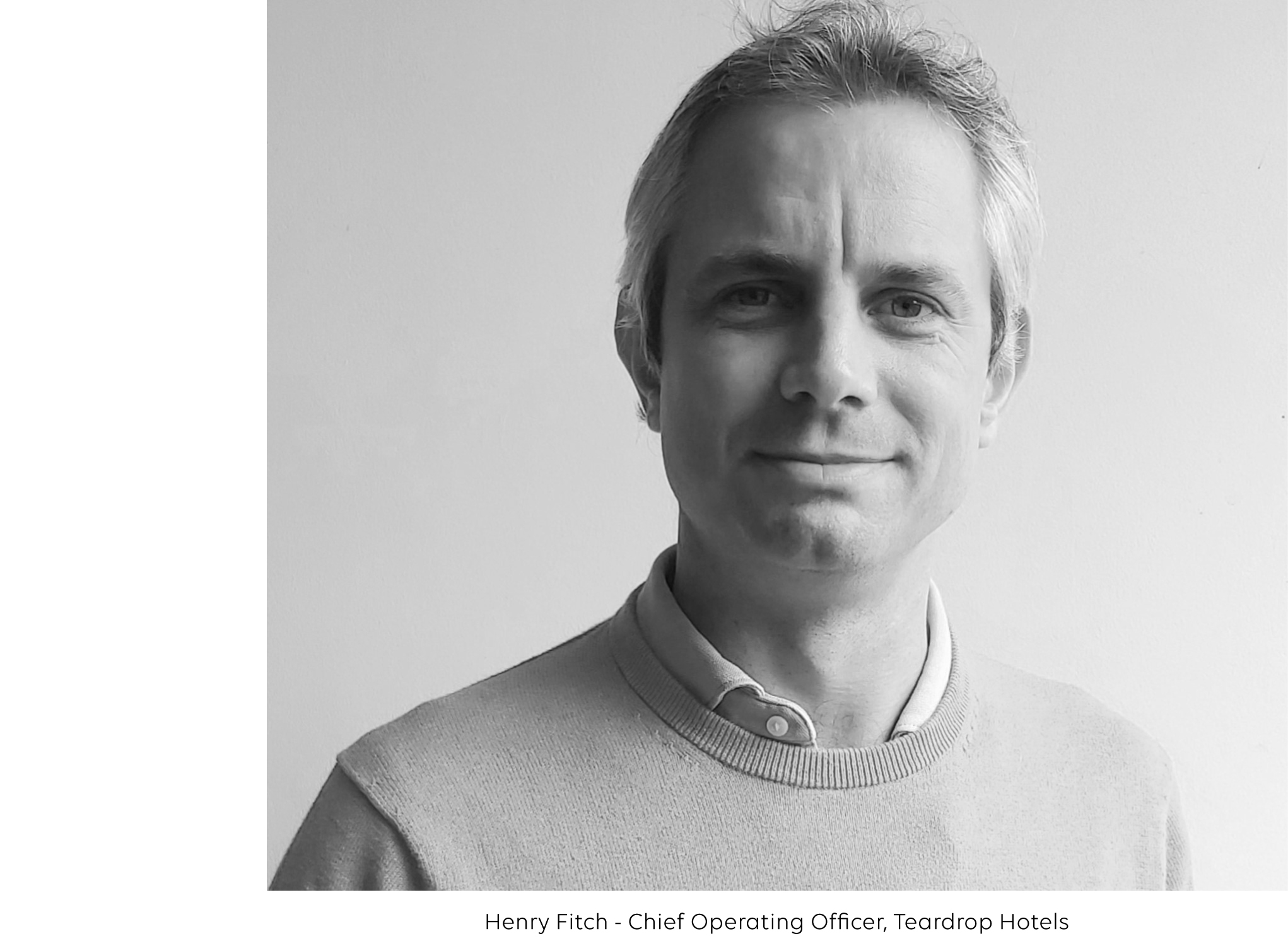

Beneath the philosophy of soulful luxury lies something more urgent: a conviction that Teardrop’s model isn’t just good hospitality – it’s the most sustainable future for Sri Lanka as a destination.
The island’s tourism potential is almost absurdly vast. In a country roughly the size of Ireland, you can move in a single day from the colonial splendor of Galle Fort to the mist-wrapped tea estates of the hill country, from ancient Buddhist temples to the elephant corridors of the dry zone, from world-class surf breaks to the undiscovered white beaches of the East Coast. “The only thing you can’t do is ski,” Davies laughs. But Sri Lanka has long suffered from a promotion gap – underselling the full range of its magic, and too often chasing volume over value.
“For every one guest that comes to a luxury hotel, you need 50 to go to Hiriketiya,” Davies argues – a rough calculation that cuts to the heart of a national question. Mass tourism, as anyone who has been stuck in traffic on the road into the now-crowded surf town of Hiriketiya will tell you, is a trap. More arrivals but flat revenue. Infrastructure strain. Authenticity corroding in real time.
Fitch sees it from the inside, lobbying on government tourism committees for a reorientation toward high-value visitors. “Henry is on those committees debating this,” says Davies. “He’s saying: if you want genuine tax revenue from this industry, you need to work on this segment.”
Teardrop’s answer is also its business model: small, deeply rooted, community-embedded hospitality that gives travelers not a curated illusion of Sri Lanka but the real thing. The company has partnered with the Tea Leaf Trust, funding English education for children from the tea estates who want futures beyond the plantations. They sponsor a VACD (Volunteers to Assist Children with Disabilities) center for children with disabilities near Wellimada.
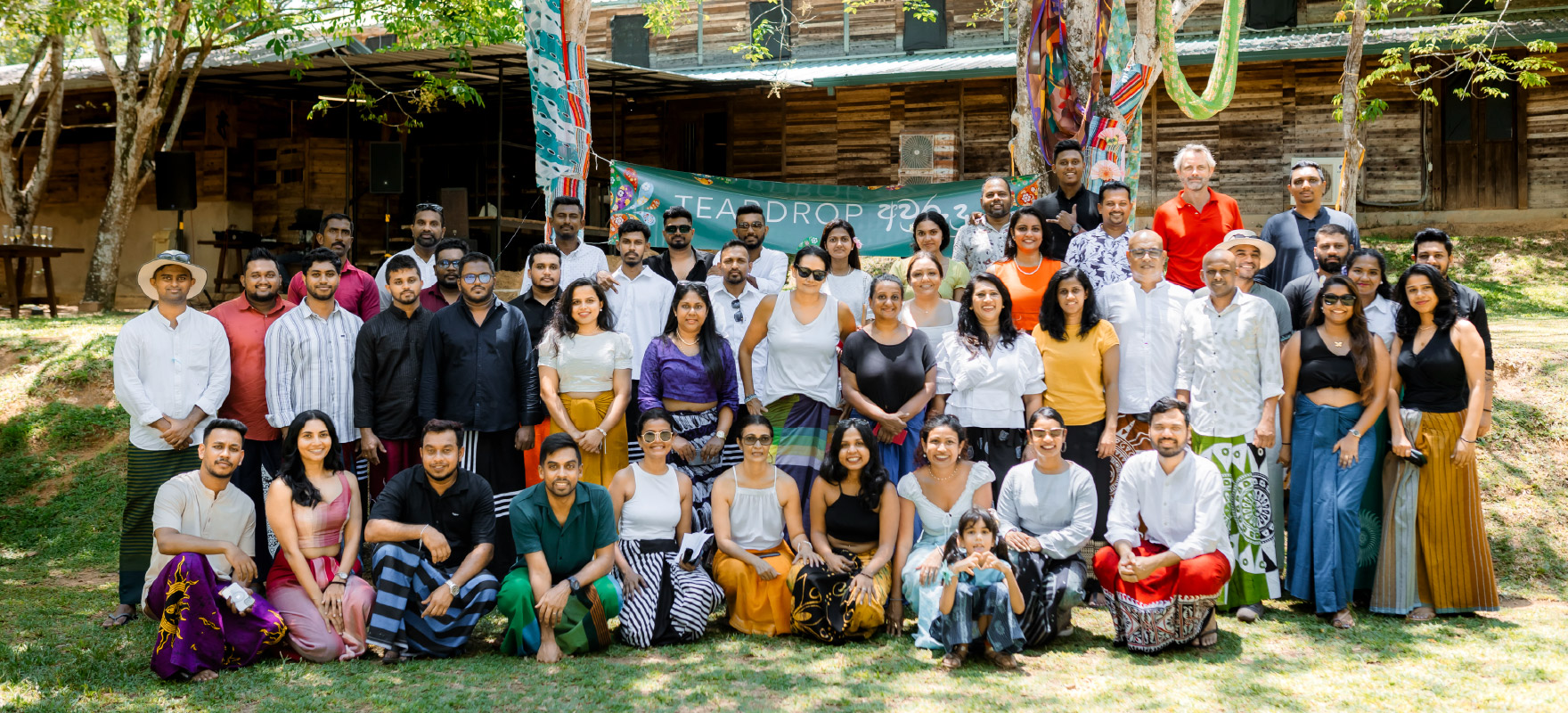
Their senior management team – Group General Manager Jo, who has been with them for sixteen years; Fort Bazaar’s Thuan, thirteen years; eleven years for area operations manager Menaka, who started as a house boy and came back after a stint in the Seychelles just to rejoin them – is almost entirely Sri Lankan.
“98% of the employees are Sri Lankan,” says Davies. “And it’ll always be like that.”

There is a phrase that Charlie Austin, one of Teardrop’s other co-founders, once used to explain how a tour company could put its name on an experience it could not fully control. You get the guests to the airport, he said. And then you let Sri Lanka take care of the rest.
It is, perhaps, the most honest description of what Teardrop does. The company provides the setting – the carefully renovated house, the kitchen running before dawn, the naturalist who knows which ridge reveals Adam’s Peak at sunrise. But the magic itself is Sri Lanka’s: the driver who recovers a bad situation with grace, the staff who genuinely want to walk with you, the country that heals you and inspires you in ways you will remember long after you go home.
That is what Teardrop Hotels is selling. Not rooms. Not amenities. Not a branded experience replicable in any country on earth.
The journey. And the island that waits at the end of it, ready to show you who you are.