



BOOK

CHECK RATES AND AVAILABILITY
Your island escape, just a few clicks away.
Check in | Check out
Your island escape, just a few clicks away.

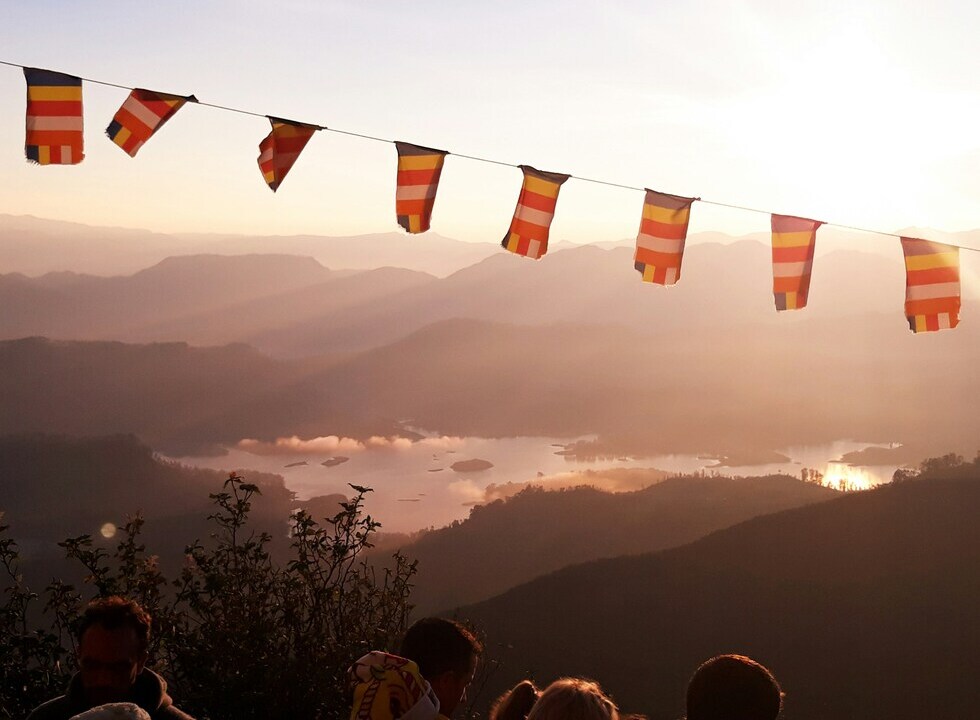
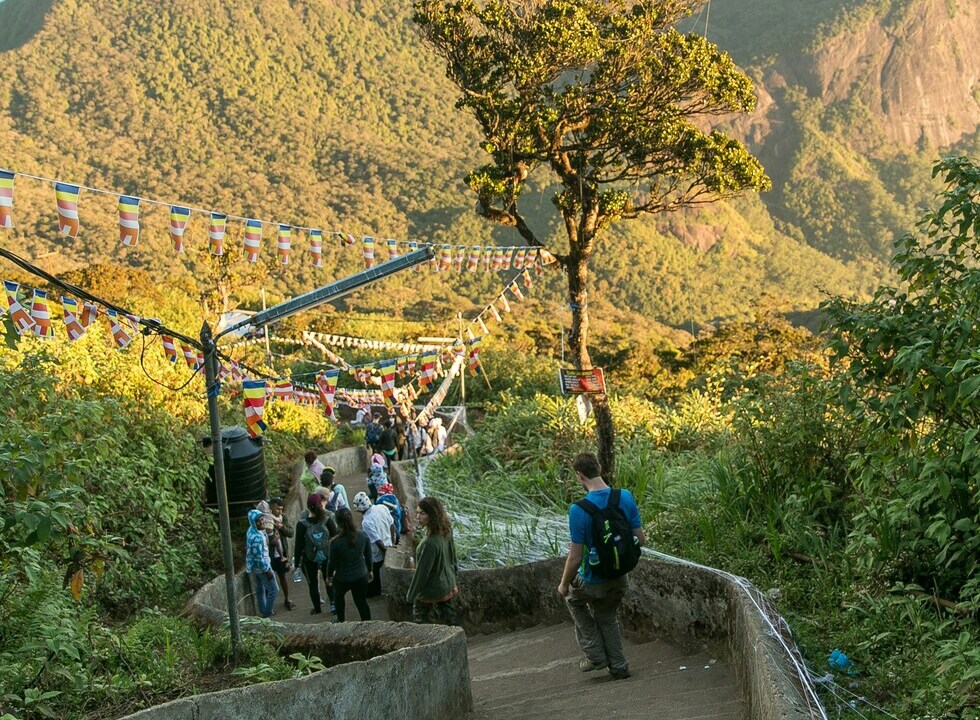
The hiking season runs from the full moon in December to the full moon in April, when the weather is dry and clear. During this time, the path is well-lit, and tea stalls line the route, providing hikers and pilgrims a welcome refuge to rest and recharge. Avoid the monsoon months (June to November), as heavy rains can make the trail slippery and unsafe. If you choose to hike during this time, the path won’t be lit up, and a naturalist or trail guide is a must.