


CHECK RATES AND AVAILABILITY

Your island escape, just a few clicks away.
Check in | Check out
Select Hotel
Adults
Children
Nationality
Promo Code

How Sri Lanka Changes Colour as You Travel Across the Island

11 September 2026
By Teardrop Hotels
No matter where you travel in Sri Lanka, colour follows you. The bleached-white glare of a salt pan gives way to the deep green shade of a rainforest canopy, followed by the soft grey mist of a mountain morning. Few countries of this size contain so many distinct palettes within such short distances. Travelling across Sri Lanka allows you to watch the island gradually change colour, moving through regions shaped by landscape, climate, history and culture.

Seasonality: December to April, July, and August

Negombo & the west coast

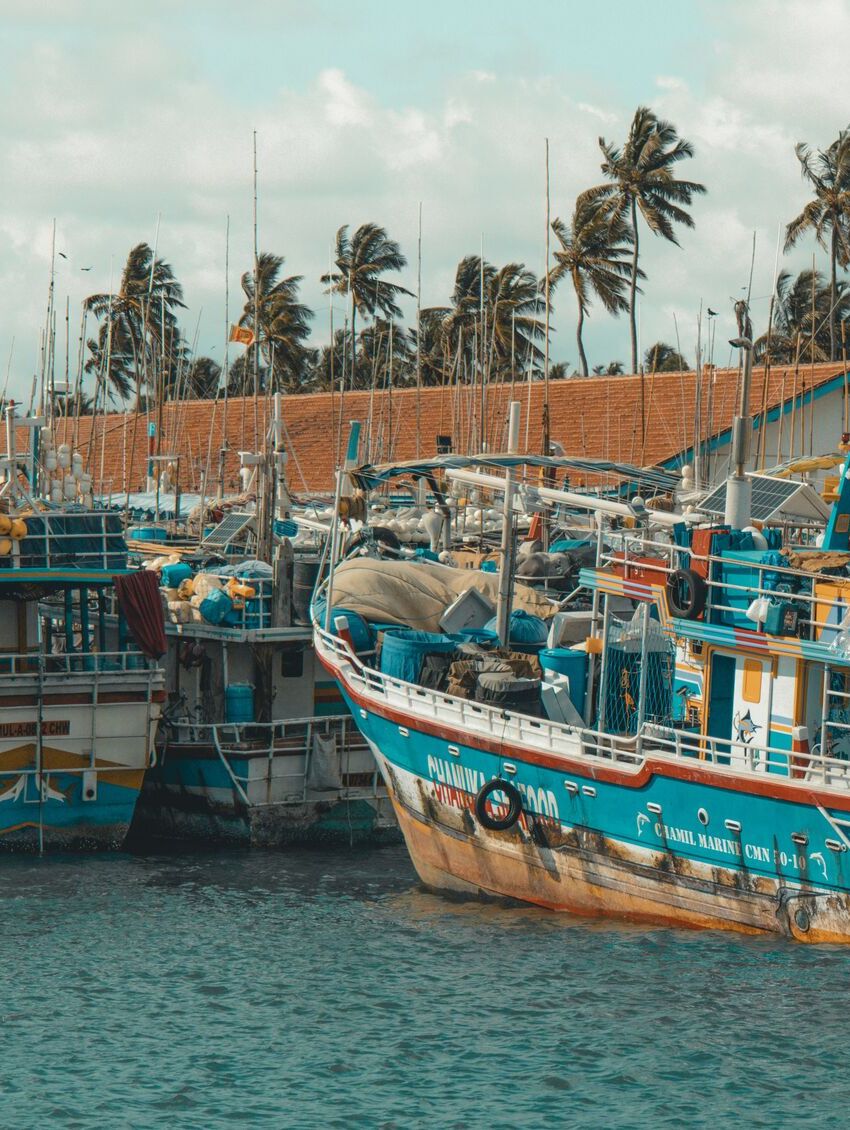
In Negombo, golden beaches meet brightly painted fishing boats bobbing in the lagoon, while lively seafood markets, colourful Catholic churches and annual feast processions add flashes of crimson, gold and white. Along Kalpitiya’s windswept peninsula, the palette becomes softer and more elemental, with pale sand dunes, gleaming salt flats and brilliant blue seas. Wilpattu National Park introduces a deeper green, its dense forests interrupted by shimmering natural lakes known locally as villus. Beneath the trees, peacocks flash iridescent blue and green as they move through the undergrowth.

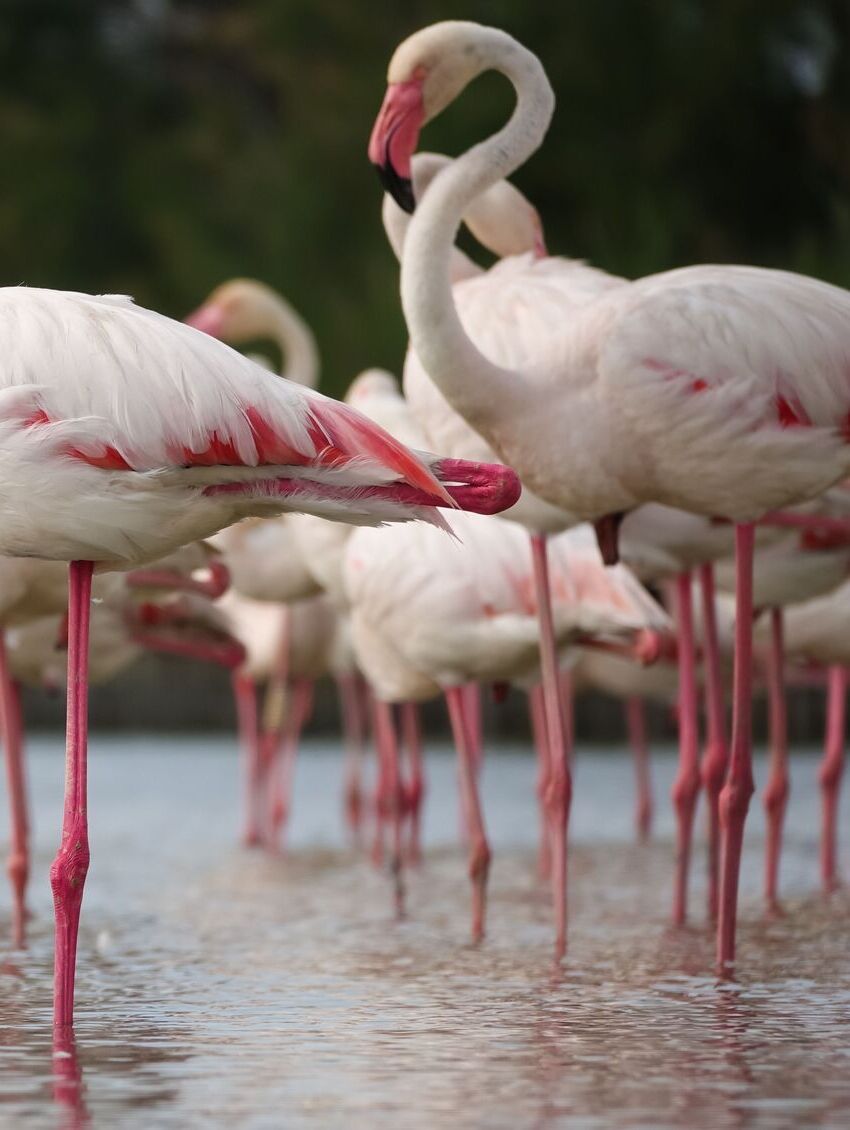
Mannar feels almost otherworldly. White sands and ancient baobab trees give way to shallow lagoons where flamingos gather in clouds of pink, while Adam’s Bridge stretches towards India in a chain of half-submerged sandbanks.

South of Colombo, Bentota softens the coastline with palm-fringed beaches, winding rivers and mangrove forests. Colourful masks, decorated tuk tuks and hand-painted buses offer glimpses of the vibrant artistry found throughout the island.
 

Seasonality: Year-round
Kandy & the Cultural Triangle
Turning inland, the landscape becomes richer and greener as the road follows the mighty Mahaweli River towards Kandy. The sacred Temple of the Tooth sits beside a still lake, its gilded roof catching the light amid incense and evening drumming. Nearby temples and royal buildings contain intricate murals depicting stories preserved through centuries of Buddhist tradition.

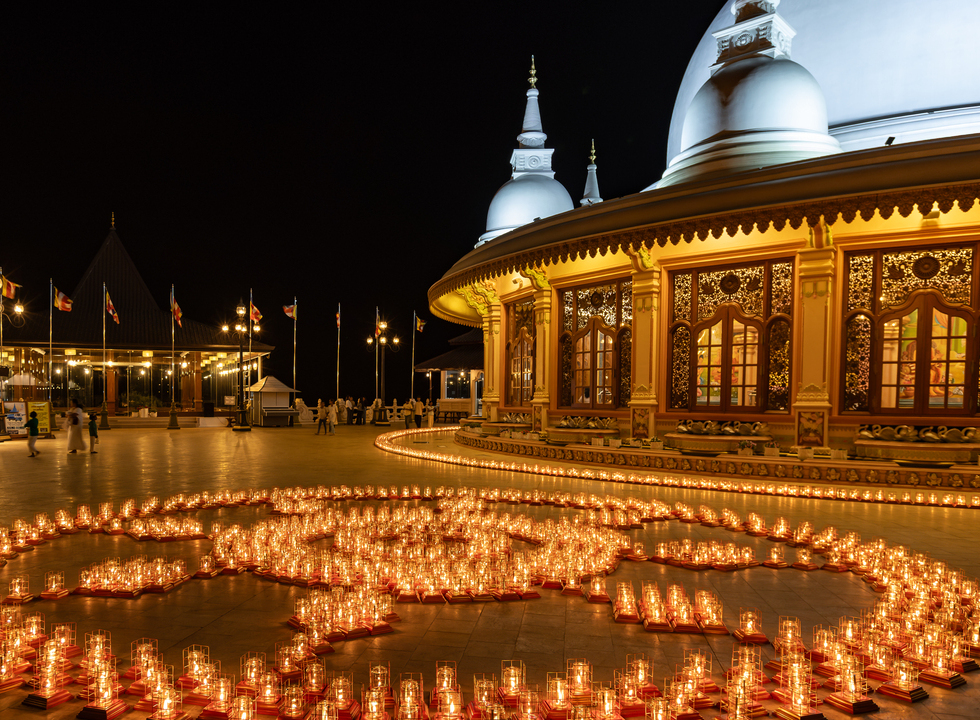
Beyond the city, the Cultural Triangle opens up, and Sri Lanka’s history appears in shades of stone, forest and earth. Sigiriya rises dramatically above an emerald canopy, while Polonnaruwa’s ancient reservoirs reflect weathered temples and statues. In Anuradhapura, enormous white dagobas emerge from sacred groves as timeless symbols of one of Asia’s oldest civilisations.

Nearby, Minneriya National Park shifts between grassland and wetland, becoming the stage for one of Sri Lanka’s greatest wildlife spectacles as elephants gather in extraordinary numbers.
Seasonality: February to September
Jaffna & the North
In the north, the island settles into more understated tones. Jaffna is threaded with rows of swaying palmyra palms, dry landscapes and pale limestone shores. Yet its streets erupt into colour around the towering gopurams of Nallur Kandaswamy Temple, where thousands of vividly painted deities watch over one of Sri Lanka’s most important Hindu shrines.

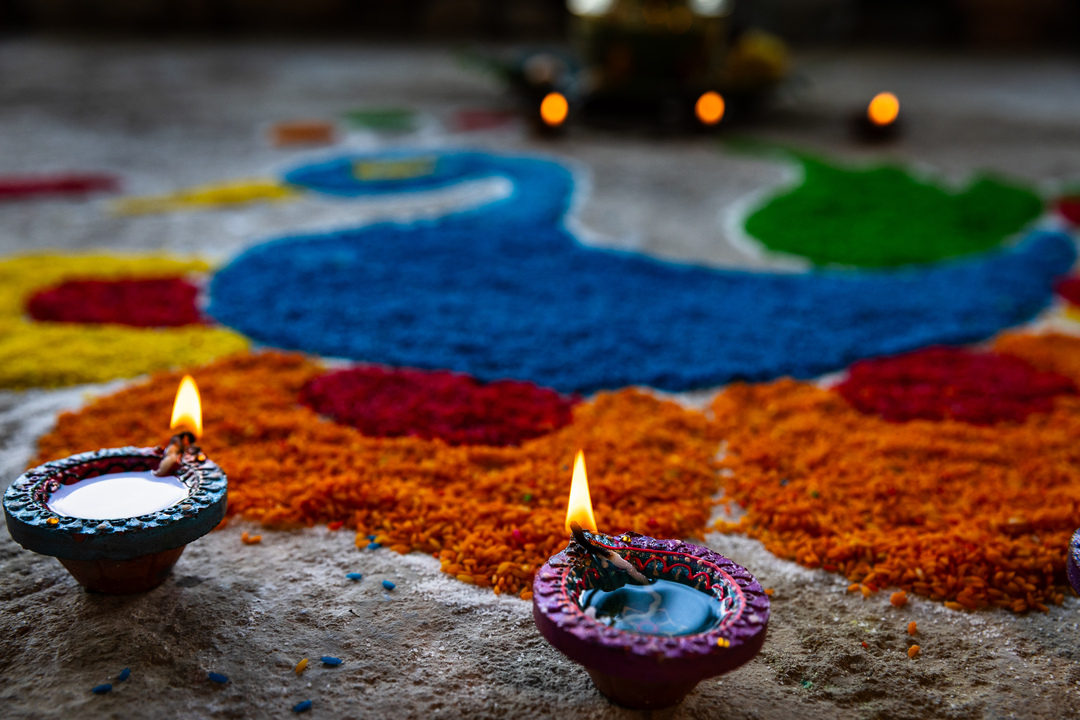
During festival season, the streets fill with saffron-clad devotees, decorated chariots and intricate kolam patterns created from brightly coloured powders outside homes and temples.

Beyond the mainland, a scatter of low-lying islands drifts across calm turquoise waters. Delft, the furthest and wildest of them, feels like another country entirely, with coral-walled fields, roaming ponies and secluded Buddhist and Hindu shrines standing quietly amid the scrub.

Seasonality: February to September

Kalkudah & the east coast

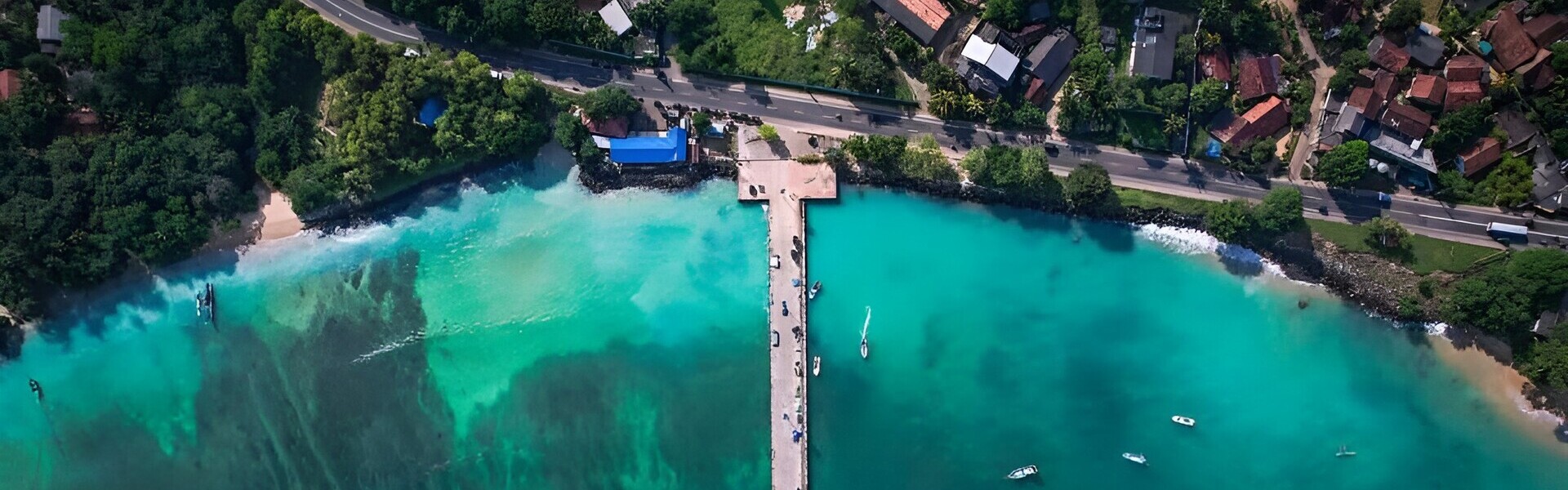
Crossing to the east coast, the colours brighten once again. Trincomalee’s natural harbour opens onto impossibly blue water, while the coral gardens around Pigeon Island shimmer beneath the surface with tropical reef fish. Further south, the calm waters of Kalkudah and Pasikuda stretch towards the horizon in gentle shades of turquoise. Along the shoreline, brilliantly painted fishing boats carry images of gods, scenes from epic stories, family emblems and graffiti, transforming the coast into an open-air gallery.

Inland, the wilderness of Gal Oya combines dense forest, scattered islands and Sri Lanka’s largest reservoir. Elephants roam its shores and have even been known to swim between the islands.

At Arugam Bay, golden beaches meet rolling surf breaks, and daily life moves to the rhythm of the ocean. Roadside stalls overflow with mangoes, pineapples, king coconuts and spicy achcharu made with veralu, or Ceylon olives, and other local fruits.

Seasonality: December to April, July, and August
Galle Fort & the south coast
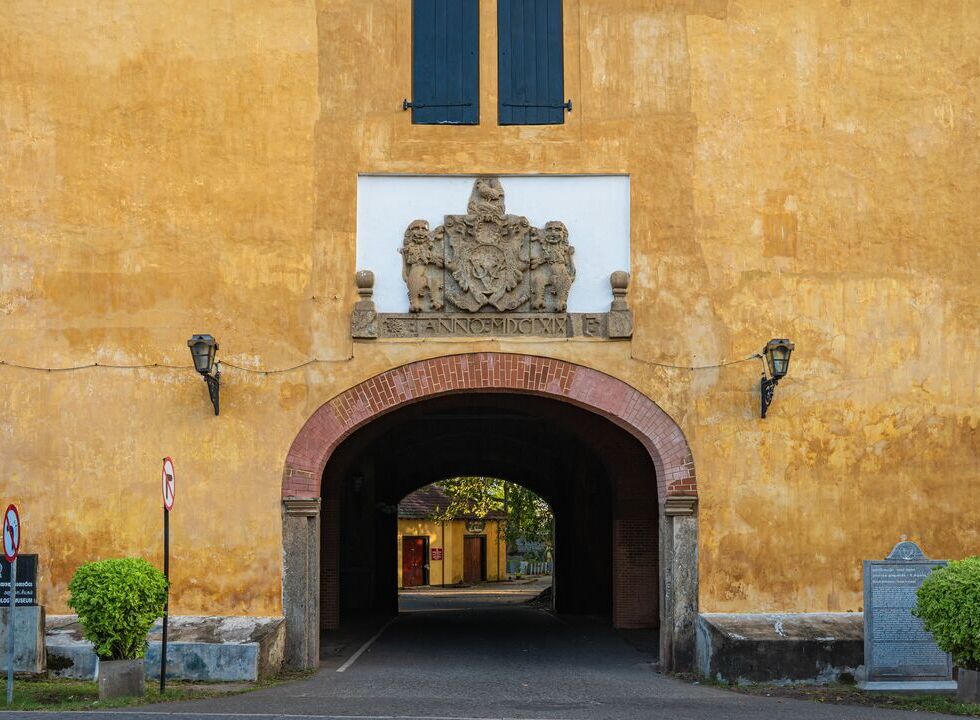
In Galle Fort, colour appears in sun-warmed ramparts, ochre walls, pastel façades and bursts of bougainvillea spilling over old courtyards. Brightly painted doors open onto cafés, galleries and boutiques, while the Indian Ocean changes from silver to deep blue beyond the fortifications. Following the coast east, the scenery becomes increasingly tropical. Palm-fringed beaches, surf breaks and hidden coves define the south, where traditional fishing villages sit alongside creative cafés and boutique hotels.

Ahangama’s surf culture, murals and independent spaces lend a youthful energy to the coastline, while Tangalle’s secluded coves and dramatic rocky shores offer moments of complete tranquillity. Off Mirissa, blue whales and dolphins surface in the deep ocean at dawn.

Inland, Sinharaja Rainforest shelters flashes of extraordinary colour, including the vivid blue and chestnut of the Sri Lanka Blue Magpie and the jewel-like plumage of endemic kingfishers. Further east, Yala and Kumana National Parks replace tropical beaches with dry scrubland, ancient trees and vast lagoons, where leopards and elephants roam among vibrant birdlife.
Seasonality: Year-round
Kandapola & the tea country
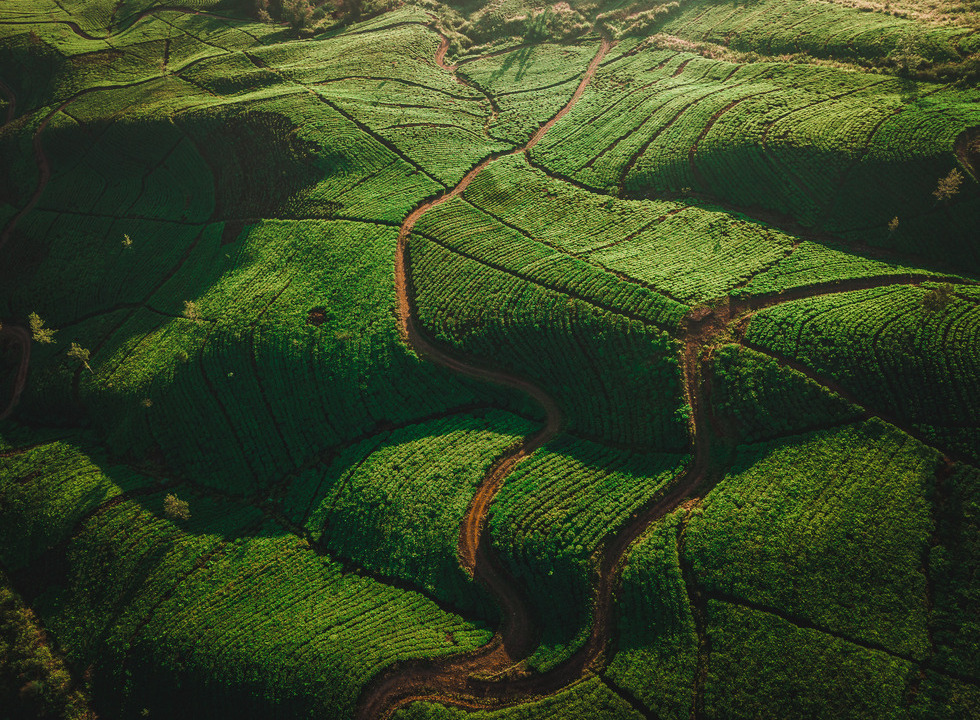
Finally, the road climbs into Sri Lanka’s tea country, where the bright coastline is replaced by rolling plantations in endless shades of green. Around Hatton, the conical silhouette of Adam’s Peak rises through the clouds, drawing pilgrims of many faiths on an overnight climb to witness sunrise from the summit. Near Kandapola, Horton Plains stretches across a windswept montane plateau of grassland and cloud forest.

Hindu kovils stand proudly among the tea fields, their vividly painted deities contrasting with the quiet greens of the hills. Gardens overflow with hydrangeas, roses and lilies that flourish in the cooler climate. Near Nuwara Eliya, Hakgala Botanical Gardens cascade down a hillside in a riot of seasonal blooms, originally cultivated during the British colonial period as a retreat from the heat of the lowlands.

Further south, Kotmale’s valleys are dotted with reservoirs, forests and winding roads that follow the contours of the mountains. Ella offers one final dramatic shift, with towering escarpments, waterfalls and railway bridges emerging through the clouds. By the time the road descends from the hills, you have moved through almost every colour an island can hold.
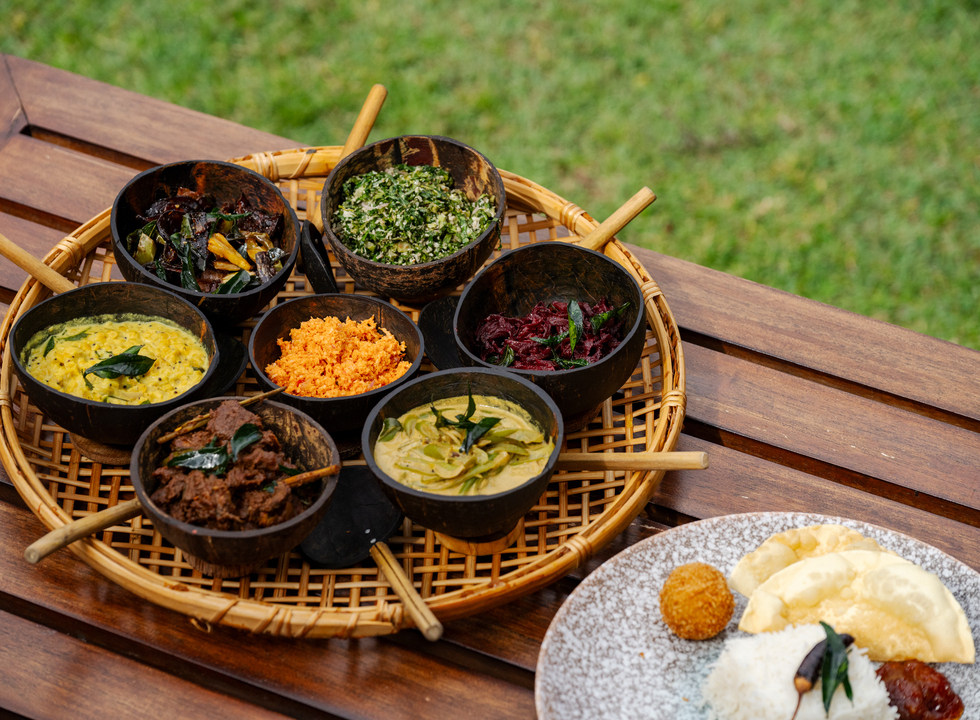
Sri Lanka’s vibrancy extends far beyond its landscapes. It arrives on a plate of rice surrounded by emerald mallum, golden dhal, ruby beetroot curry and fiery sambols. It spills from street stalls selling jewel-bright Bombai Motai, tropical fruit juices and spicy achcharu. It flashes past on elaborately painted buses and tuk tuks adorned with elephants, religious symbols, reggae icons and pop-culture references. It also lives in the lacquered masks of Ambalangoda, the swirling costumes of Kandyan dancers and the festivals that brighten the calendar throughout the year. That is the true character of Sri Lanka: not one landscape or a single palette, but dozens, each blending gently into the next.


To experience the full spectrum in one journey, contact the Sri Lanka travel experts at Teardrop Journeys to create a personalised itinerary at journeys@teardrop-hotels.com.